
Weather & Temperature in Iceland: Your Year-Round Guide
Discover Iceland weather and temperatures by month. Learn what to expect when camping, driving, and traveling by motorhome or rooftop tent in every season.
Iceland’s weather is famously unpredictable. You can experience sunshine, rain, strong winds, snow, and rapidly changing conditions within the same day, especially if you plan on travelling around the island. For anyone planning an Iceland road trip, understanding the weather is just as important as choosing the right vehicle and route.
The good news is that Iceland can be explored by camper, motorhome, or rooftop tent in every season, provided you plan according to the conditions. Summer brings long daylight hours and relatively mild temperatures, while winter offers snowy landscapes, fewer visitors, and excellent opportunities to see the northern lights.
This guide explains Iceland’s climate month by month, what to expect when camping, how to prepare for changing conditions, and how to stay safe on the road.
Understanding Iceland’s Climate
Iceland has a cool maritime climate, meaning temperatures are generally milder than its name and location might suggest, but the weather can change quickly. The North Atlantic Ocean strongly influences temperatures, while wind, precipitation, and rapidly moving weather systems can make conditions feel much colder than the thermometer suggests.
For travelers, the most important thing to remember is that temperature is only one part of the weather equation. Wind can make a mild day feel cold, rain can quickly soak inadequate clothing, and winter conditions can affect road surfaces and visibility.
If you are renting a motorhome or traveling with a rooftop tent, the weather deserves even more attention. Strong winds can make driving difficult and can be particularly uncomfortable or unsafe when using a rooftop tent. Rain and snow can also affect your camping experience, while freezing temperatures require extra care with heating, water systems, batteries, and other equipment.
Always check the forecast and road conditions before setting out, and be prepared to change your plans if conditions deteriorate.
Iceland Seasonal Breakdown
Iceland's seasons each offer a very different road-trip experience. The best time for your trip depends on what you want to see, how comfortable you are driving in changing conditions, and whether you plan to camp in an RV or rooftop tent.
Summer (June – August)
Summer is Iceland’s most popular travel season and generally offers the easiest conditions for a camper or RV road trip. Daylight lasts for most of the day, with the period around the summer solstice offering almost 24 hours of usable light.
Temperatures are usually at their mildest, although Icelandic summer is still cool by many international standards. Average daytime temperatures in lowland areas are often around 10–15°C (50-60°F), with warmer or colder days possible.
For campers, summer provides several advantages:
- Very long daylight hours make it easier to enjoy attractions and drive longer distances.
- Most major roads and mountain routes that open seasonally are accessible.
- Campsites generally have their busiest period and many facilities are available.
- Snow and ice are much less likely on the main roads, although conditions can still change.
- Wind and rain remain possible, so waterproof and windproof clothing is essential.
- Rooftop tents can be comfortable in summer, but high winds should always be taken seriously.
Summer is also the busiest and most expensive period for traveling in Iceland. Booking your vehicle and popular campsites or activities in advance is recommended.
Shoulder Seasons (May & September)
May and September can be excellent months for travelers who want a balance between accessibility, fewer crowds, and more affordable prices.
Temperatures are cooler than in summer, with typical lowland temperatures often ranging from around 3–10°C (37-50°F). Daylight is still substantial, particularly in May, while September brings noticeably shorter days and increasingly dark nights.
Camping during the shoulder seasons requires more preparation:
- Pack warm layers, waterproof clothing, gloves, and a hat.
- Expect rain and strong winds.
- Check campsite opening dates before traveling.
- Some seasonal roads and Highland routes may not yet be open in May or may already be closing in September.
- Snow and icy conditions can occur, particularly in northern Iceland and at higher elevations.
- September can bring the first good opportunities for northern lights when skies are dark and conditions cooperate.
For rooftop tent travelers, overnight temperatures are an important consideration. A high-quality sleeping bag, warm layers, and suitable camping equipment can make a significant difference.
Autumn to Early Winter (October – November)
October and November mark Iceland’s transition into winter. Temperatures drop, daylight decreases quickly, and the first significant snow and icy conditions can arrive.
This is also when the northern lights season really gets going because the nights are longer and darker. Seeing the aurora is never guaranteed, however, as you need a combination of darkness, clear or partly clear skies, and sufficient aurora activity.
For road trippers, October and November require additional flexibility. You may encounter:
- First snow and increasingly icy roads.
- Strong winds and rapidly changing weather.
- Shorter daylight hours.
- Temporary road closures or difficult driving conditions.
- Campsites with reduced services or seasonal closures.
- Excellent opportunities for quieter sightseeing and northern lights hunting.
If you are traveling in a camper, make sure you understand how the vehicle's heating system works and how to use its equipment in cold weather. Rooftop-tent travelers should be especially well prepared for freezing temperatures and strong winds.
Winter (December – April)
Icelandic winter offers dramatic scenery, snowy landscapes, long nights, and some of the best conditions of the year for northern lights viewing. It also brings the most challenging driving and camping conditions.
Winter temperatures in populated lowland areas commonly hover around freezing, but wind can make it feel considerably colder. Snow, ice, storms, and reduced visibility can affect roads, and travel times can be significantly longer than they are in summer.
For a winter camper trip:
- Check weather and road conditions every day.
- Allow extra time between destinations.
- Keep your itinerary flexible.
- Make sure your rental vehicle is properly equipped for winter travel.
- Understand your vehicle’s heating system before leaving.
- Be prepared for some roads and attractions to become temporarily inaccessible.
- Check campsite availability and facilities in advance, as some campsites operate seasonally.
- Carry warm clothing and suitable sleeping equipment even if you plan to sleep inside a heated motorhome.
Rooftop tents require particular caution in winter. Snow, ice, freezing temperatures, and strong winds can make rooftop camping considerably more demanding than summer camping. Always follow the rental company's guidance and never use a rooftop tent when conditions make it unsafe to climb onto or remain on the roof.
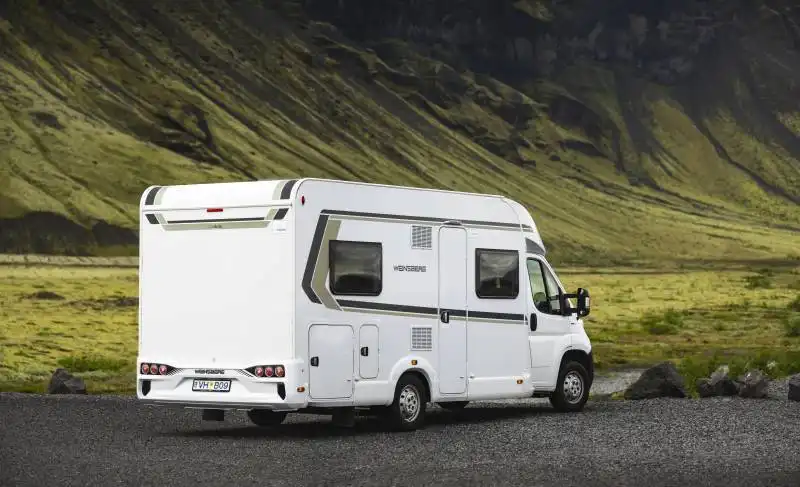
Iceland Average Temperature by Month
Iceland's temperatures vary considerably by region and elevation. The following figures provide a general indication of typical temperatures in Iceland's populated lowland areas rather than a guarantee for a particular location.
|
Month |
Typical Low |
Typical High |
What to Expect |
|
January |
-3°C |
3°C |
Cold, short days, snow and ice possible |
|
February |
-3°C |
3°C |
Winter conditions and long nights |
|
March |
-2°C |
4°C |
Winter gradually transitions toward spring |
|
April |
0°C |
7°C |
Increasing daylight, variable weather |
|
May |
3°C |
10°C |
Milder days, cool nights and changeable weather |
|
June |
7°C |
13°C |
Long daylight hours and relatively mild conditions |
|
July |
8°C |
15°C |
Usually the mildest period |
|
August |
8°C |
14°C |
Mild but increasingly changeable |
|
September |
5°C |
11°C |
Cooler nights and darker evenings |
|
October |
2°C |
7°C |
Increasing chance of snow, ice and storms |
|
November |
-1°C |
4°C |
Winter conditions become more common |
|
December |
-3°C |
3°C |
Short daylight hours, snow and ice possible |
These are useful planning averages, but Icelandic weather can vary significantly from one day to another. Conditions in the mountains and Highlands can be much colder and more severe than in coastal lowland areas.
Iceland’s Weather Safety Alerts
Checking the weather should be part of your daily routine when travelling around Iceland. The official Icelandic Meteorological Office, Veðurstofa Íslands, provides forecasts, warnings, wind information, precipitation forecasts, and other important weather data.
You should also check SafeTravel Iceland for travel and safety information and Road.is for current road conditions, closures, and travel information.
For a useful overview of Iceland's warning system and what different alerts can mean for travellers, see our guide to the Iceland weather warning.
Before a long driving day, make it a habit to check:
- vedur.is for weather forecasts and warnings.
- safetravel.is for travel safety information.
- road.is for road conditions and closures.
- Your route, including any mountain or highland roads.
- Wind forecasts, particularly if travelling with a rooftop tent.
Weather alerts are not simply something to check when the weather already looks bad. Conditions can change quickly, so checking before you leave is one of the easiest ways to make your Iceland road trip safer.
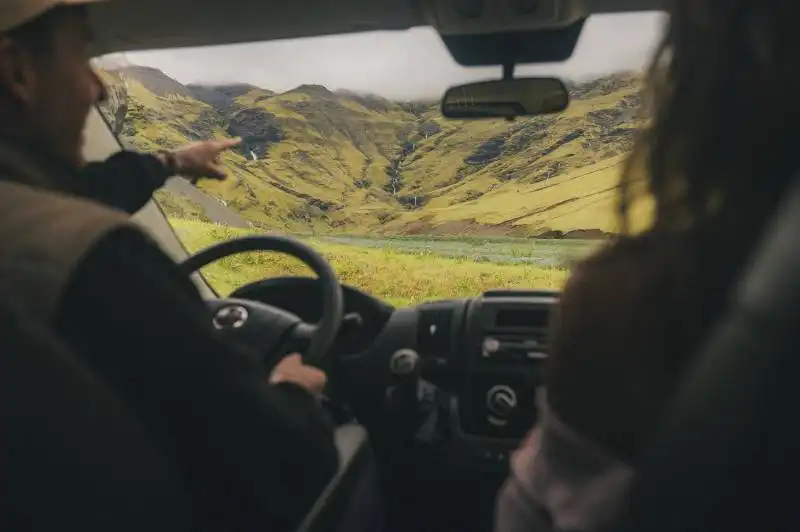
How to Stay Safe & Warm on Your Iceland Road Trip
The key to enjoying Icelandic weather is preparation. Rather than planning around perfect weather, build an itinerary that gives you enough flexibility to adapt.
Dress in layers, carry waterproof outerwear, keep essential clothing dry, and allow additional driving time when conditions are poor. If a road or route becomes unsafe, changing your plans is always better than trying to push through.
When camping, make sure you know how your vehicle's heating, ventilation, electricity, and water systems work. In colder conditions, monitor the vehicle's systems and follow the rental company's instructions.
Critical Weather Hazards
The main weather hazards for Iceland road trips include high winds, heavy rain, snow, ice, poor visibility, and sudden changes in road conditions.
Strong winds deserve particular attention. A road that looks clear can still become difficult to drive if gusts are powerful enough to affect vehicle stability. Bridges, exposed coastal roads, mountain passes, and open stretches of road can be particularly windy.
Snow and ice can make stopping distances longer and increase the risk of losing traction. Heavy precipitation can also reduce visibility, while rapidly changing conditions may make a previously straightforward route difficult later in the day.
If authorities advise against travel, or road conditions are unsafe, postpone your journey until conditions improve.
Managing High Winds
Wind is one of the most important weather factors for camper travelers in Iceland.
High-sided vehicles such as motorhomes can be more affected by strong crosswinds than ordinary passenger cars. Slow down when appropriate, keep both hands on the wheel, maintain a safe distance from other vehicles, and pay close attention when driving across exposed areas and bridges.
Rooftop tents require additional caution. Never assume that because your tent is designed for outdoor use it is suitable for every wind condition. If strong winds are forecast, follow your rental provider's instructions and consider staying in accommodation or another sheltered location instead.
Always check the wind forecast before setting up camp, not just the current conditions.
Heavy Rain and Snow
Rain is common in Iceland and can occur at any time of year. Waterproof outer layers and footwear are therefore essential, even during summer.
Heavy rain can make outdoor activities unpleasant and may affect visibility and road conditions. Snow and freezing temperatures can create slippery surfaces and make driving significantly more difficult.
During winter, allow considerably more time for journeys and avoid relying on summer driving times. If conditions deteriorate during the day, look for a safe place to stop rather than continuing simply to stay on schedule.
Weather in the Highlands and F-Roads
Iceland's Highlands experience more extreme conditions than the lowlands. Temperatures can be lower, winds stronger, and weather changes more rapidly.
Icelandic F-roads are seasonal mountain roads and many are closed during the winter period. Opening and closing dates vary depending on conditions, so never assume that an F-road is accessible simply because it is marked on your map.
River crossings are another major consideration. Water levels can rise because of rain, snowmelt, or changing weather conditions, making crossings more difficult or potentially impassable. A crossing that looked manageable earlier in the day may become significantly more challenging later.
Only use roads and routes that your rental vehicle is permitted and equipped to use, and follow all restrictions. Never attempt a river crossing if conditions are unsafe or if you are unsure about the depth, current, or route.
What to Pack for a Camper Trip for Every Season?
Packing for Iceland is less about having a huge amount of clothing and more about having the right layers and protection from the elements.
For any season, consider packing:
- Waterproof and windproof jacket.
- Waterproof trousers.
- Warm fleece or insulating mid-layer.
- Thermal base layers.
- Warm hat and gloves.
- Wool or thermal socks.
- Waterproof walking shoes or boots.
- Comfortable clothing for relaxing inside your camper.
- Sleeping bag appropriate for the temperature.
- Eye mask for the bright summer nights.
- Headlamp for autumn and winter.
- Reusable water bottle.
- Swimwear for Iceland's geothermal pools.
- Power banks and charging cables.
- Any medication or personal essentials you may need.
For autumn and winter camper trips, add extra emphasis to insulation and warmth. A good sleeping bag and thermal layers are particularly important for rooftop-tent camping.
For summer, remember that long daylight hours can make it surprisingly difficult to sleep without an eye mask, while temperatures can still become chilly at night.
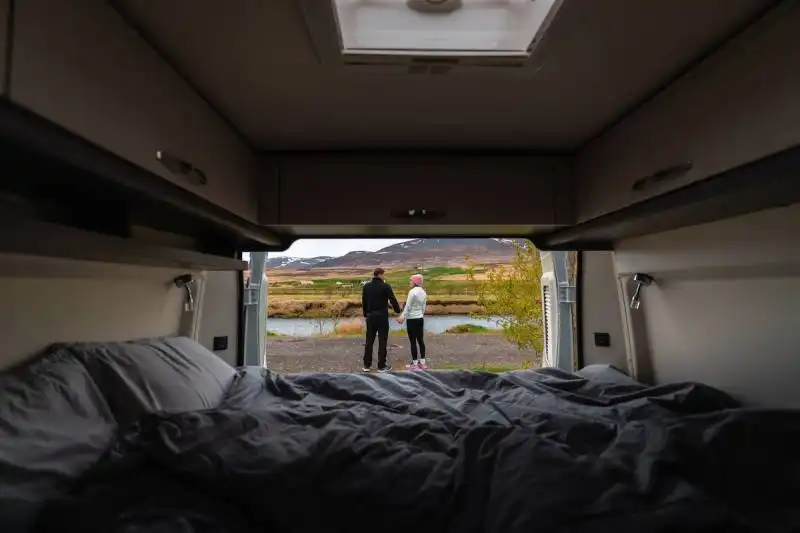
What are The Best Months & Weather to Visit Iceland
There is no single best month to visit Iceland as the ideal time depends on the type of trip you want to experience.
June to August is generally the easiest period for a classic road trip, with long daylight hours, relatively mild temperatures, and broad access to Iceland's roads and attractions.
May and September are excellent alternatives for travellers who want a quieter experience while still having substantial daylight and relatively manageable conditions.
October to March is a popular period for travellers hoping to see the northern lights. The nights are long enough to provide darkness, but you need clear skies and sufficient aurora activity for a sighting.
December to April offers the most winter-like landscapes but also requires the greatest flexibility because snow, ice, wind, and limited daylight can affect driving.
For a camper trip, the "best" month is ultimately the one that matches your comfort level, vehicle, planned routes, and willingness to adapt to Icelandic weather.
Is It Always Cold in Iceland?
That answer depends on who you ask. Icelanders would say no, but some visitors would say yes. Iceland is cool for much of the year, but it is not permanently freezing.
Summer can bring surprisingly pleasant days, particularly when the wind is light and the sun is shining. At the same time, a summer day can still feel cold if it is windy or rainy. In winter, temperatures around freezing are common in many lowland areas, but conditions can feel much colder because of wind.
If you're wondering is Iceland cold?, the short answer is: it depends on the season, location, wind, and weather on the day.
The best approach is to prepare for changing conditions rather than packing exclusively for the temperature you expect.
H2: What to do in Iceland when the weather turns bad?
Bad weather doesn't necessarily mean your road trip has to stop. Iceland has plenty of activities and attractions that work well when outdoor conditions are less than ideal.
Depending on your location and the conditions, you could:
- Visit a museum or cultural attraction.
- Explore Reykjavík's cafés, restaurants, and shops.
- Visit a geothermal swimming pool.
- Enjoy a slower day at your campsite.
- Stop at a visitor center.
- Explore a sheltered attraction that is safe to access.
- Use the day to rest, do laundry, stock up on food, or reorganise your camper.
- Adjust your route and visit an attraction when conditions improve.
Most importantly, don't feel pressured to stick to an itinerary when weather conditions become unsafe. One of the advantages of a camper road trip is having the flexibility to slow down, change direction, or stay put until the weather improves.
Ready for Iceland's Unique Weather?
Iceland's weather is part of what makes traveling around the country such a memorable experience. With the right preparation, flexible planning, and a vehicle suited to your itinerary, you can enjoy Iceland's landscapes in sunshine, rain, snow, and everything in between.
Whether you're planning a summer adventure around the Ring Road, a northern lights trip in winter, or a shoulder-season camping adventure, choosing the right camper can make your journey much more comfortable.
When you're ready to start planning, rent the right motorhome for your trip and get ready to explore Iceland on your own terms.
Frequently Asked Questions
Below is a compilation of answers to some of the most common questions about the weather in Iceland.
Yes, winter motorhome trips are possible, but they require considerably more preparation than summer travel. Choose a properly equipped vehicle with an appropriate heating system, understand how to operate it before your trip, and check which campsites are open during your travel dates.
Winter conditions can include freezing temperatures, snow, ice, and strong winds, so always check the forecast and road conditions before traveling.
The northern lights can generally be seen when Iceland has sufficiently dark nights, typically from around late August or September through the winter and into spring. The exact timing varies each year.
For the best chance of seeing them, you need darkness, clear or partly clear skies, and adequate aurora activity. Even during the peak season, a sighting is never guaranteed.
Traveling by camper can make aurora hunting more flexible because you can move to areas with darker skies and better weather forecasts.
Rooftop-tent camping can be an excellent way to experience Iceland, particularly during the milder months. However, weather conditions must always be taken seriously.
Strong winds are especially important because rooftop tents are elevated and exposed. Cold temperatures, rain, snow, and ice can also make rooftop camping uncomfortable or unsafe.
Always follow your rental company's instructions, check the forecast before setting up, and do not use a rooftop tent when conditions are unsuitable.
Yes. Iceland's weather can vary significantly between regions and elevations.
The South, North, East, Westfjords, Reykjavík area, and Highlands can experience different temperatures, precipitation, wind, and road conditions on the same day. Coastal areas can also have different conditions from inland and mountainous areas.
This is why checking a national forecast alone is not enough for a road trip. Look at the specific areas you plan to visit and check road conditions along your route.
June and July have the longest daylight hours, with the period around the summer solstice in June providing almost continuous daylight. This makes summer particularly convenient for road trips because you have many more usable daylight hours for sightseeing and driving.
The downside for campers is that it can remain bright late into the night, so an eye mask can be very useful.
No. Iceland does not experience complete darkness throughout the entire winter.
Daylight hours become very short around December, with only a few hours of daylight around the winter solstice and cloudy days can make the days feel even shorter. However, the days gradually become longer again after December.
The limited daylight can be an important consideration when planning a winter road trip. Plan driving carefully, allow plenty of time, and avoid trying to cover large distances simply because they are possible during summer.