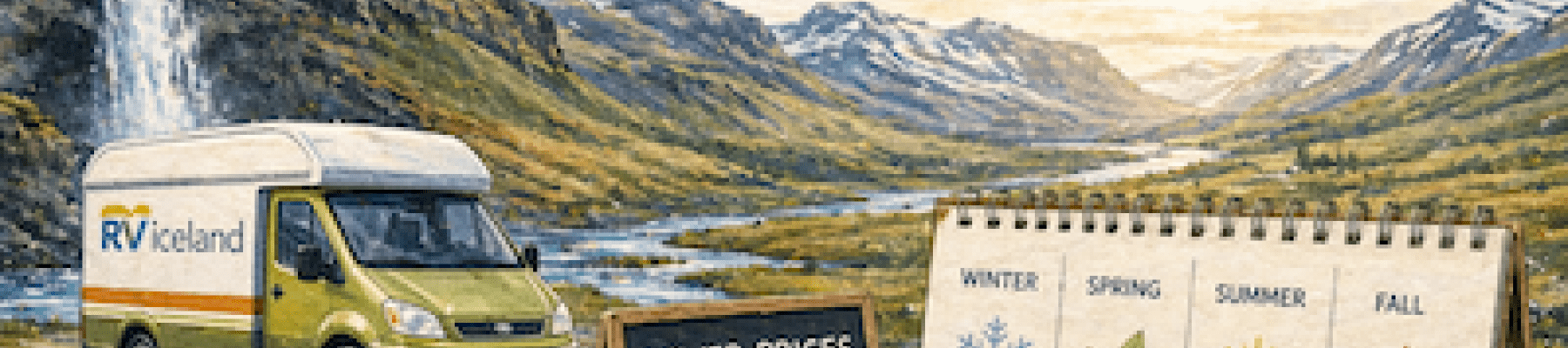
The Cheapest Time to Visit Iceland
Discover the cheapest time to visit Iceland. Learn how to save on flights, rentals, and accommodation with expert budget travel tips.
Iceland has a reputation for being expensive, but with the right timing and smart planning, you can experience this incredible country without overspending. From off-season travel to budget-friendly road trips, here’s how to visit Iceland at the lowest cost.

Iceland for Cheap: Key Takeaways
Here are some key takeaways for visiting Iceland on a budget:
- Cheapest time to visit: November to February (excluding holidays)
- Most expensive period: June to August
- Best budget balance: May and September
- Biggest savings: Flights, accommodation, and car rentals drop significantly in winter
- Trade-offs: Shorter daylight hours and limited access to some attractions and campsites
The Best Time to Visit Iceland on a Budget
Wondering when the ideal time is to visit Iceland without breaking the bank? Timing your trip is the most effective way to save money. Let’s dive into what you can expect for different seasons.
Winter (November – February): Off-Season
Winter is the cheapest time to visit Iceland.
Costs:
- Flights: Lowest of the year
- Accommodation: Up to 40–60% cheaper
- Car rentals: Discounted rates
What to expect:
- Northern Lights opportunities
- Ice caves and glaciers
- Snow-covered landscapes
Things to consider:
- Limited daylight (4–6 hours)
- Possible road closures
- Fewer open campsites
Spring (March – May): Shoulder Season
A great balance between price and accessibility.
Costs:
- Moderate pricing
- Increasing demand toward May
What to expect:
- Longer days
- Melting snow and waterfalls at full volume
- Fewer crowds than summer
Summer (June – August): Peak Season
The most popular—and most expensive—time to visit.
Costs:
- Highest prices for flights and rentals
- Accommodation in high demand
What to expect:
- Midnight sun
- Open F-roads
- Festivals and vibrant atmosphere
If you’re planning on visiting Iceland in summer, expect premium pricing but maximum accessibility.
Autumn (September – October): Shoulder Season
This shoulder season, from September to October, is a budget-friendly alternative to summer.
Costs:
- Prices begin to drop
- Good deals on rentals and stays
What to expect:
- Northern Lights return
- Fall colors
- Fewer tourists
Iceland Seasonal Cost Breakdown (2026 Estimates)
Here is a breakdown of the average costs you can expect for each season:
|
Winter (Nov - Feb) |
Spring (Mar - May) |
Summer (Jun - Aug) |
Autumn (Sep - Oct) |
|
|
Flights (RT) |
€200–€450 |
€300–€600 |
€600–€1,000 |
€350–€650 |
|
Vehicle Rental |
€40–€90/day |
€60–€120/day |
€120–€250/day |
€70–€140/day |
|
Accommodation |
€70–€150/night |
€90–€180/night |
€150–€350/night |
€100–€200/night |
|
Food |
€20–€40/day |
€25–€50/day |
€30–€60/day |
€25–€50/day |
What You Should Know When Visiting Iceland in Winter?
Iceland is a beautiful country to visit at any time of year, and winter is no exception. However, if you plan to travel through Iceland during the winter months, there are a few essential tips to keep in mind.
Winter travel requires extra planning:
- Road closures are common during winter, especially in remote areas. Always check road conditions on the official Road and Coastal Administration site before hitting the road.
- Expect limited daylight, and plan your itinerary accordingly as it might affect sightseeing time.
- Fewer campsites remain open during winter, with most located along major routes.
- Weather can change rapidly in Iceland, especially during winter. To be best prepared, we recommend always checking the latest information on the Icelandic Met Office website.
As a rule of thumb, when traveling around Iceland, always check road and weather conditions before driving.

Our Insider Tips for Visiting Iceland on a Budget
Saving money in Iceland comes down to smart decisions.
Start Booking Early
Flights and rental cars are significantly cheaper when booked months in advance, especially for summer travel.
Consider Self-Drive Instead of Guided Tours
Guided tours can be expensive and restrictive but by renting your own vehicle, you can save money, gain flexibility and explore at your own pace
For inspiration, check our self-drive Game of Thrones tour guide and discover the famous GoT filming locations scattered along the Ring Road.
Shop at Budget Grocery Stores
Skip convenience stores like 10/11 and Extra.
Instead:
- Shop at Bónus or Krónan
- Bring reusable water bottles (tap water is free and excellent)
Buy Alcohol at the Airport Duty Free
Alcohol is heavily taxed in Iceland, making it one of the largest expenses for travelers.
Buying at the airport Duty Free can save you significantly compared to local, state-run Vínbúðin stores found around the country.
Fill Up Gas in Cheapest Gas Stations
Fuel prices vary across the country.
- Compare stations (ÓB, Olís often cheaper)
- Refuel in towns rather than remote areas
Read our guide to fuel prices in Iceland, with the latest information and tips on where to get the cheapest gas.
Bring Your Own Meals & Snacks
Food costs add up quickly.
Good items to bring:
- Oatmeal
- Instant noodles or dehydrated meals
- Coffee and tea
- Protein bars
Please note that some foods (especially meat and dairy) are restricted at customs. Check regulations before packing.
Stay at Campsites
Camping in Iceland is a truly wonderful experience, and it is also one of the most affordable ways to travel.
- Lower nightly costs
- Flexibility
- Great access to nature
Check out our detailed guide on camping in Iceland for everything you need to know about navigating Iceland’s campsites, including expert tips and camping regulations.
Use the Camping Card for Maximum Value
The Iceland camping card offers access to multiple campsites for one fixed price. It’s best for trips longer than 10–14 days and is only valid until September 15.
Beware of Parking Charges
While many popular attractions now charge parking fees, you can still find plenty of iconic stops that offer free access. Major sites like Gullfoss, Goðafoss, and Dettifoss remain free to park, making them excellent value-adds for a Ring Road itinerary.
Also, ensure you understand the different Reykjavík parking zones to avoid unexpected fines. For a full breakdown of costs and payment methods, see our complete guide to parking fees in Iceland.
Choose the Right Car Rental Insurance
Unexpected costs can ruin a budget trip. When renting a car in Iceland, ensure your insurance coverage specifically accounts for Iceland’s unique environmental risks, such as gravel damage, sand and ash storms, and extreme weather-related incidents. By choosing the right insurance, you ensure your journey goes smoothly.
Top Free & Budget-Friendly Things to Do in Iceland
Iceland is known to be an expensive destination, but you don't need a massive budget to experience its most iconic landscapes and enjoy plenty of great activities. By prioritizing local experiences and natural wonders, you can significantly lower your daily costs.
Local swimming pools are an affordable way to enjoy an authentic Icelandic experience. These are at the heart of Icelandic community life, with prices ranging from 1,200 to 1,500 ISK. If you prefer the wild, you will also find that many natural hot springs remain free to the public.
There are also countless free hiking trails you can enjoy in Iceland. Nature is the main attraction, and it’s free.
Choose the Best Budget Vehicle for Your Road Trip
Your vehicle choice can significantly impact your budget.
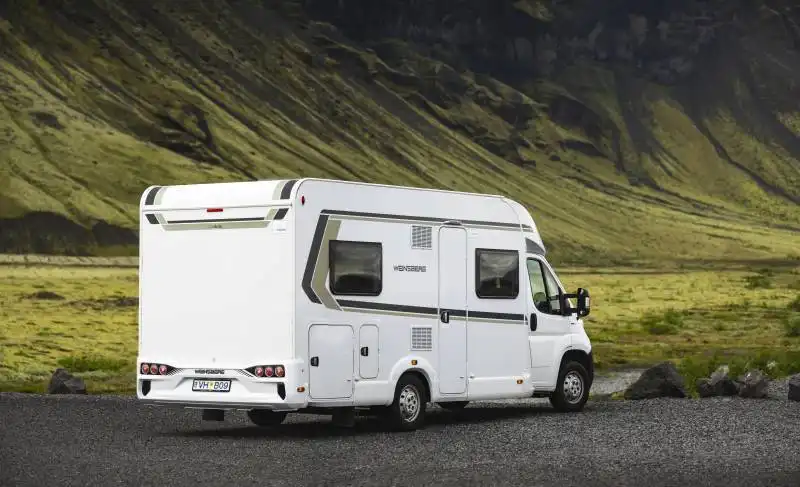
H3: 4x4 Rooftop Tent Rentals
Renting a 4x4 vehicle with a rooftop tent is a great budget option. By combining transport and accommodation, it helps cut down on costs:
- Saves on accommodation costs
- Offers flexible travel
- Ideal for summer and shoulder seasons
- Provides access to F-Roads
A popular traveler favorite is the Dacia Duster with a roof tent. It’s a comfortable option that allows you to drive on more challenging routes, such as gravel roads and F-Roads.
RVs and Motorhomes
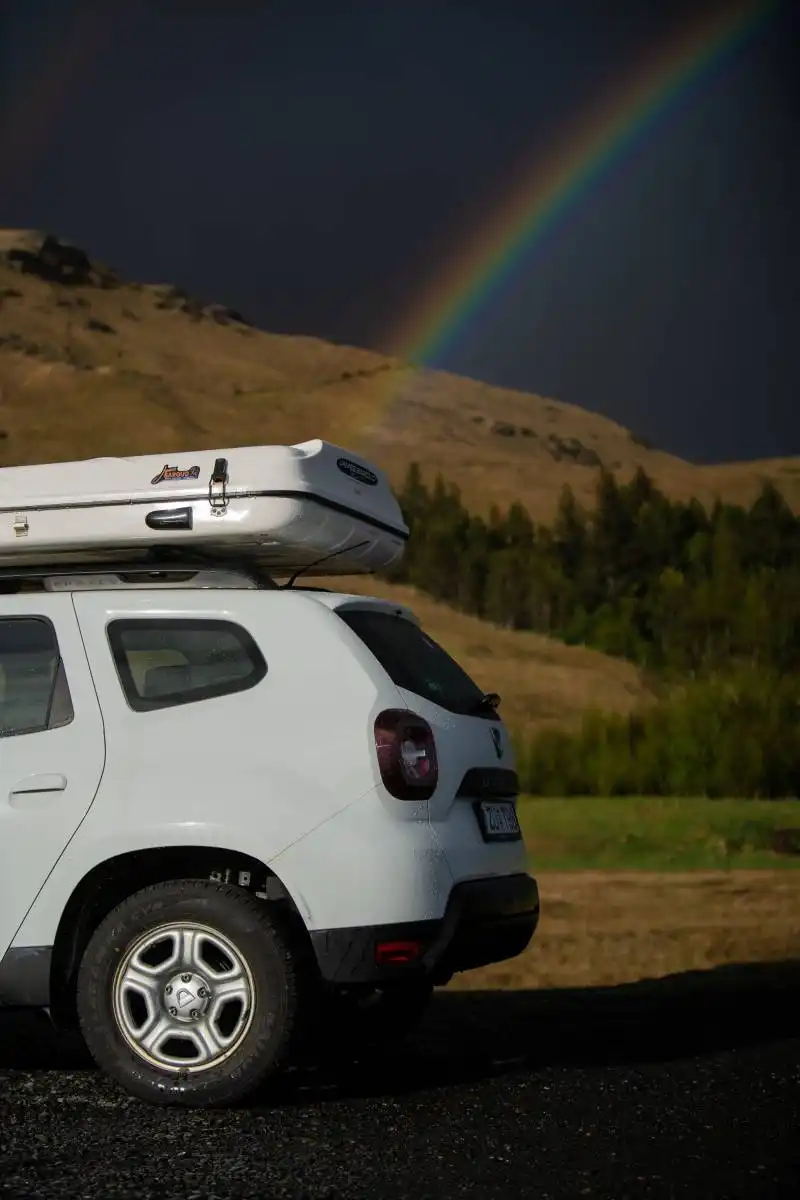
An RV or motorhome rental is a great solution for larger groups and families. It is also ideal for travelers embarking on longer journeys who want to experience the country in comfort. This option offers convenience and stability and combines transport, kitchen, and sleeping space:
- Built-in kitchen and sleeping quarters
- Comfortable in all weather
A popular option is the Fiat Weinsberg R58. It is a reliable and spacious motorhome that allows you to prepare your own meals and stay warm, regardless of the season.
Final Words: Visiting Iceland Without Breaking the Bank
Iceland doesn’t have to be expensive. By traveling in the off-season, choosing the right vehicle, and planning ahead, you can experience its incredible landscapes without overspending.
Ready to start your adventure? Explore your options for RV rental in Iceland.
Frequently Asked Questions
Get the answers to your questions about exploring Iceland on a budget below.
Yes, but with proper planning, you can significantly reduce costs.
Typically between November and February, excluding holidays.
The Icelandic Króna (ISK) is the official currency of Iceland.
Most campsites close in winter, but a few remain open year-round.How expensive is a 10-day trip to Iceland?
- Budget: €1,200–€2,000 per person
- Mid-range: €2,000–€3,500
- Depends on travel style and season