What to Pack for a Trip in Iceland
Discover the ultimate Iceland packing list for every season. Learn what to wear, camping essentials, winter gear, electronics, and practical tips for traveling comfortably in Iceland.
Packing for Iceland can feel challenging because the weather changes quickly throughout the year. You might experience sunshine, rain, wind, and cold temperatures all in the same day, especially during road trips around the island.
Whether you are staying in hotels, traveling in a campervan, camping under the midnight sun, or exploring the Highlands in a 4x4, packing the right gear will make your trip far more comfortable and enjoyable. This guide covers everything you need to bring for your Iceland adventure, no matter the season.
The Layering System: What You Need to Know
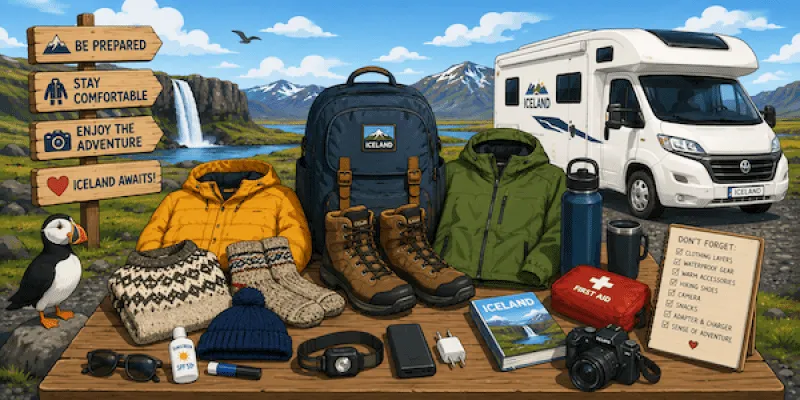
The key to dressing comfortably in Iceland is using a proper layering system. Instead of relying on one heavy jacket, layers help regulate body temperature and protect you from wind, rain, and changing conditions.
A good layering system consists of three main parts: a base layer, a mid layer, and an outer layer.
Base Layer
Your base layer sits directly against your skin and helps regulate body temperature while keeping moisture away.
Merino wool and synthetic thermal clothing are excellent choices because they dry quickly and stay warm even when slightly wet. Cotton should generally be avoided, especially for outdoor activities, because it absorbs moisture and dries slowly.
Base layers are particularly important during:
- Hiking
- Camping
- Glacier tours
- Winter travel
Mid Layer
The mid layer provides insulation and helps trap body heat.
Popular options include:
- Fleece jackets
- Lightweight down jackets
- Wool sweaters
- Insulated pullovers
Depending on the season, you may want multiple mid layers for flexibility during colder weather.
Outer Layer
Your outer layer protects you from Iceland’s famous wind and rain.
A waterproof and windproof jacket is one of the most important items you can pack. Waterproof pants are also highly recommended, especially for:
- Waterfall visits
- Hiking trails
- Camping trips
- Winter travel
Even during summer in Iceland, weather conditions can become harsh unexpectedly.
What to Wear in Iceland
Comfortable and weather-resistant clothing is essential for Iceland travel. Practicality is usually more important than fashion, especially during outdoor adventures.
Everyday Clothing
For everyday travel in Iceland, pack:
- Waterproof jacket
- Warm fleece or sweater
- Quick-dry shirts
- Comfortable pants
- Waterproof or weather-resistant trousers
- Thermal underwear for colder months
Layering allows you to adjust clothing easily throughout the day as conditions change.
Shoes & Footwear
The type of footwear you need depends heavily on your activities.
Recommended options include:
- Waterproof hiking boots for trails and waterfalls
- Walking shoes or sneakers for city sightseeing
- Insulated winter boots for snow and ice
- Sandals or flip-flops for pools and campsites
Waterproof footwear is strongly recommended because many Icelandic attractions involve wet terrain, mud, or uneven surfaces.
Beanie, Scarf & Gloves
Even during summer, Icelandic winds can feel cold.
A warm beanie, gloves, and scarf are useful year-round, especially for:
- Whale watching tours
- Glacier hikes
- Northern Lights tours
- Highland travel
During winter, insulated gloves and thermal accessories are essential.
Swimming Suits & Towels
A swimsuit is a must-pack item for Iceland.
You will likely visit:
- Geothermal pools
- Hot springs
- Public swimming pools
- Lagoons
Many campsites and pools offer towel rentals, but bringing your own microfiber towel can save money and luggage space.
Camping Gear & Essentials
Camping in Iceland requires preparation because temperatures can drop significantly at night, even during summer.
Essential camping gear includes:
- Four-season or wind-resistant tent
- Warm sleeping bag
- Sleeping pad or insulated mattress
- Camping stove
- Headlamp for winter or shoulder seasons
- Waterproof bags
- Portable power bank
For sleeping bags, travelers should choose comfort ratings appropriate for Icelandic temperatures:
- Summer: around 0°C to 5°C (32°F–41°F)
- Shoulder season: -5°C to 0°C (23°F–32°F)
- Highlands or winter: -10°C (14°F) or lower
Tent Camping vs. Rooftop Tent Camper
Traditional tent camping is affordable and flexible, but Iceland’s strong winds and changing weather can make setup challenging.
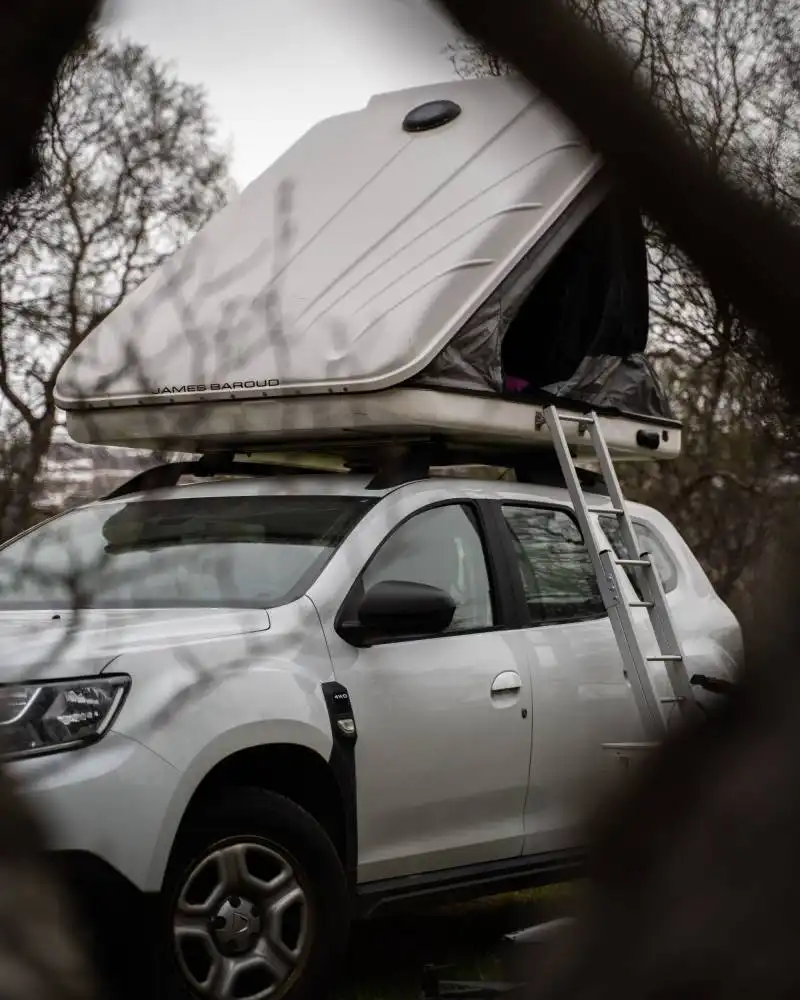
A 4x4 rooftop tent camper offers several advantages:
- Elevated sleeping area
- Faster setup and breakdown
- Better protection from wet ground
- Easier access to remote regions
- More stability during rough weather
For travelers exploring Iceland’s Highlands, a 4x4 rooftop tent camper is often one of the most practical options.
For Campervan & RV Travelers
Campervan and RV travelers should also consider bringing:
- Power adapters
- Reusable water bottles
- Extra blankets
- Compact storage organizers
- Cooking utensils
- Campsite extension cables
While many camper rentals include basic equipment, checking what is provided before arrival is important.
Electronics & Power Solutions
Iceland’s remote landscapes make reliable electronics and charging solutions extremely important.
Recommended items include:
- Universal travel adapter
- European Type C or F plug adapter
- Power bank
- Car charger
- Camera batteries
- Offline maps
- Charging cables
Cold temperatures can drain batteries faster, especially during winter.
First Aid & Essentials
A basic first aid kit is useful for road trips, hiking, and camping.
Recommended items include:
- Bandages and blister pads
- Pain relievers
- Prescription medications
- Motion sickness tablets
- Lip balm and moisturizer
- Sunscreen
- Hand sanitizer
Travelers should also download safety apps before arriving in Iceland.
Important apps include:
- 112 Iceland for emergency services
- SafeTravel for weather and travel alerts
- Vedur for weather forecasts
- Road.is for road conditions
The 112 Iceland app allows travelers to share their location with emergency responders if needed.
Campsite Kitchen & Cooking Essentials in Iceland
Many Icelandic campsites provide shared kitchens and dining facilities, especially during summer. However, facilities vary depending on location and campsite size.
Common campsite amenities may include:
- Shared cooking areas
- Sinks and dishwashing stations
- Electricity access
- Refrigerators
- Picnic tables
- Travelers should still bring:
- Reusable utensils
- Small cooking pot or pan
- Reusable containers
- Dish soap and sponge
- Portable stove if camping remotely
Remote campsites may offer fewer facilities, particularly in the Highlands.
What to Bring for a Journey in the Icelandic Highlands
The Icelandic Highlands require additional preparation due to rough roads, limited services, and unpredictable weather.
Essential Highland items include:
- Offline GPS maps
- Paper road maps
- Extra food and water
- Emergency blanket
- Spare fuel considerations
- Satellite communication device for remote travel
- Warm layers and waterproof gear
Because many Highland routes are F-roads, travelers should use suitable 4x4 vehicles and regularly monitor weather and road conditions.
What to Pack for a Summer Trip in Iceland
Summer in Iceland offers long daylight hours, milder temperatures, and easier road access.
Recommended summer items include:
- Sleeping mask for the midnight sun
- Sunglasses
- Lightweight waterproof clothing
- Bug protection for certain areas
- Thin gloves and hat
- Layered clothing for changing weather
Even in summer, temperatures can still feel cold and windy.
What to Pack for a Winter Trip in Iceland
Winter conditions in Iceland can be severe, especially outside Reykjavík.
Essential winter gear includes:
- Insulated waterproof boots
- Thermal base layers
- Heavy winter jacket
- Ice grips or crampons
- Thick gloves and warm hat
- Neck gaiter or scarf
- Hand warmers
Travelers should also prepare for limited daylight and snow-covered roads.
What You Should Not to Pack for Iceland
Certain items are unnecessary or impractical for Iceland travel.
You generally do not need:
- Umbrellas, due to strong winds
- Large amounts of cash
- Heavy fashion clothing
- Flashlights during peak summer months
- Excess bottled water
Iceland is a mostly cashless country, and credit or debit cards are accepted almost everywhere.
Start Your Icelandic Journey Well-Prepared
Packing correctly for Iceland can make the difference between a stressful trip and an unforgettable adventure. By preparing for changing weather, outdoor activities, and remote travel conditions, you will be ready to enjoy everything Iceland has to offer comfortably and safely.
Whether you are exploring waterfalls in summer, camping beneath the northern lights, or driving through the Highlands in a 4x4 camper rental, the right gear helps you experience Iceland with confidence.
Frequently Asked Questions
Travelers often have additional questions when preparing for Iceland camping and road trips.
Camping gas canisters are available at:
- Gas stations
- Outdoor stores
- Hardware stores
- Some supermarkets
Major towns and Reykjavík offer the widest selection.
Iceland uses European Type C and Type F plugs with 230V power. Most modern electronics such as phones and laptops work automatically with dual voltage chargers, but travelers should always check device compatibility before traveling.
Many campgrounds offer excellent facilities including:
- Showers
- Toilets
- Kitchens
- Electricity hookups
- Laundry facilities
- Wi-Fi
However, remote campsites may provide only basic services.
Yes. Many rental companies and outdoor stores in Iceland offer camping gear rentals including:
- Tents
- Sleeping bags
- Cooking equipment
- Camping chairs
- Portable heaters
Renting gear can be convenient for travelers who want to avoid carrying bulky equipment on flights.