Your 10-Day Campervan Itinerary in Iceland
Plan the perfect 10-day Iceland campervan itinerary. Best routes, tips, packing list, and FAQs to help you explore Iceland by RV.
Planning the perfect 10-day campervan road trip in Iceland? This itinerary is designed to help you experience the country’s most iconic landscapes while following the best routes for a smooth and unforgettable journey. From waterfalls and glaciers to volcanoes and black sand beaches, a campervan allows you to explore Iceland at your own pace while staying close to nature every step of the way.
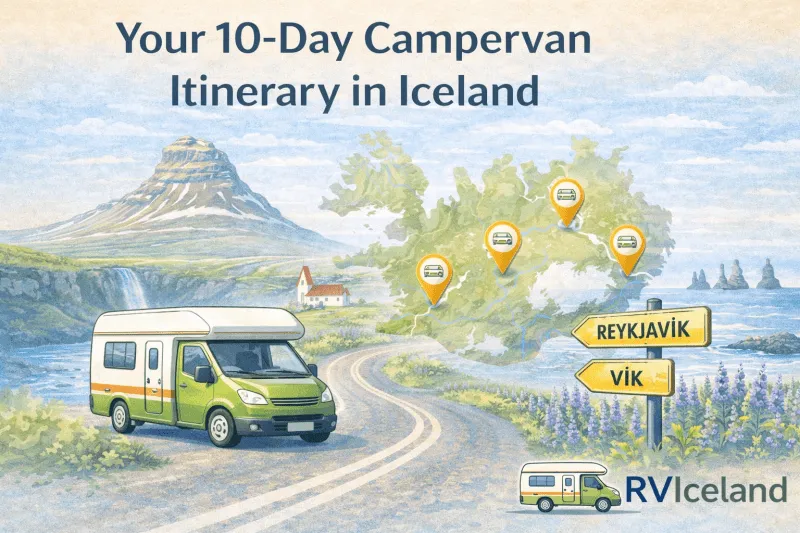
Why is a Campervan Ideal for a Trip Around Iceland?
A campervan is one of the best choices for exploring Iceland. The country is built for road trips, with scenic highways, well-equipped campsites, and ever-changing landscapes just beyond the windshield. Traveling by campervan combines transportation and accommodation into one, giving you freedom, flexibility, and incredible value.
The Key Benefits of Traveling Iceland in a Camper
Traveling by camper offers unique advantages that traditional travel just can’t match. Sleeping surrounded by mountains, glaciers, or ocean views brings you closer to Iceland’s raw nature. Every morning starts with a new landscape right outside your door. Change plans on the go, linger longer at a waterfall, or chase better weather. With a camper rental, your itinerary stays flexible, allowing you to adapt each day to road conditions and discoveries along the way.
Budget-Friendly & Cost-Effective
A campervan helps you save money by combining lodging, transportation, and often cooking facilities. Campsites are significantly cheaper than hotels, and cooking your own meals reduces daily expenses.
Self-Sufficiency
Having your bed, kitchen, and storage with you means fewer check-in times and less unpacking. You’re fully equipped to explore remote areas without relying on restaurants or hotels.
Comfort & Autonomy
Modern campers offer comfortable sleeping arrangements, heating options, and practical layouts that make life on the road easy—even in Iceland’s unpredictable weather.
Is 10 Days Enough to Travel Around Iceland?
Yes, 10 days is ideal for a campervan trip in Iceland. It gives you enough time to drive the Ring Road comfortably, see major highlights, and enjoy slower-paced exploration without rushing. While you won’t see everything, you’ll experience Iceland’s most diverse regions.
When is the Best Time of Year for a Camper Trip in Iceland?
Summer (June–August) is the most popular time, offering mild weather, open roads, and nearly 24 hours of daylight. Shoulder seasons (May and September) provide fewer crowds and lower prices, though weather can be more unpredictable. Winter trips are possible but require experience, as road conditions, limited daylight, and weather can impact travel plans.
Tips to Plan Your 10-Day Road Trip in Iceland
Good planning ensures a smoother and safer journey around Iceland.
Choose the Best Camper For Your Journey
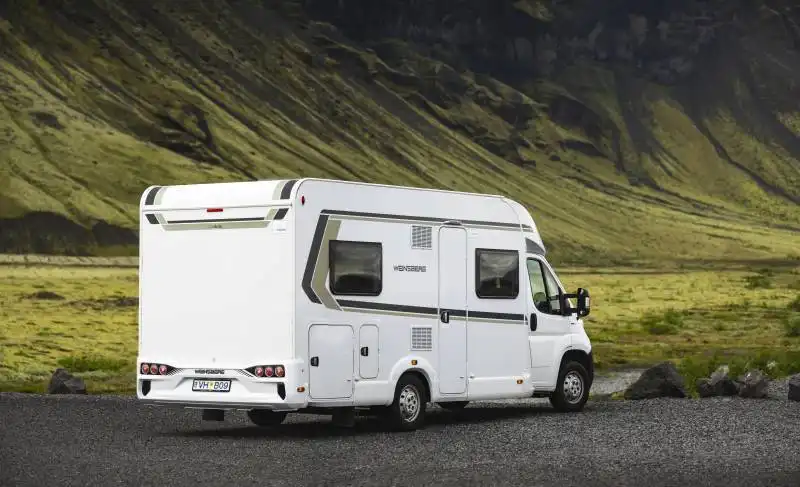
The camper you should rent depends on your travel style. A compact campervan works well for couples and summer travel, while a motorhome offers more space and comfort. A 4x4 camper is recommended if you plan to explore Iceland’s Highlands or travel in shoulder seasons.
Camping & Parking Rules
Wild camping is no longer allowed in most areas, and overnight stays must be at designated campsites. Understanding the parking rules for campers in Iceland is essential to avoid fines and travel responsibly.
Fuel Stops & Grocery Planning
Fuel stations can be far apart in rural areas, so refuel whenever you can. Stock up on groceries in larger towns to save money and avoid limited options in remote regions.
Your 10-Day Iceland Camper Itinerary
This itinerary is designed primarily for summer conditions but can be adjusted for shoulder seasons or winter with careful planning.
Day 1: Keflavík – Reykjavík Area
Arrive at Keflavík International Airport, pick up your RV Iceland camper, and start your road trip around Iceland. Take the opportunity to visit Keflavík, and if time allows, stop at the Blue Lagoon for a great start to your journey before heading out to Reykjavík, where you can spend your first night at the Reykjavík Eco Campsite.
This campsite is well equipped, with showers and restrooms, a dining area with cooking facilities, outdoor grills, a water filing station, and a lounge area for relaxing. It is also located right next to the Laugardalslaug swimming pool.
Must-see: Reykjavík city highlights
Campsite: Reykjavík Eco Campsite
Driving time: ~1 hour
Day 2: Golden Circle
Before hitting the road, we recommend doing some grocery shopping and stocking up on food. Then, head out of Reykjavík, towards the Golden Circle of Iceland.
First, stop at Þingvellir National Park, a UNESCO World Heritage Site where the North American and Eurasian tectonic plates are slowly moving apart by a few centimeters each year. Here, you can enjoy stunning views of fissures, canyons, and truly unique landscapes. Make sure to pay for parking, you can pay either directly on-site or online (visit the Thingvellir National Park website to learn more about payment). Thingvellir was also one of the Game of Thrones filming locations in Iceland.
Continue your journey, next stop is Geysir, where the English word “geyser” comes from. While Geysir itself is mostly inactive, the famous Strokkur geyser erupts approximately every 6–10 minutes, make sure to have your camera ready to capture the moment.
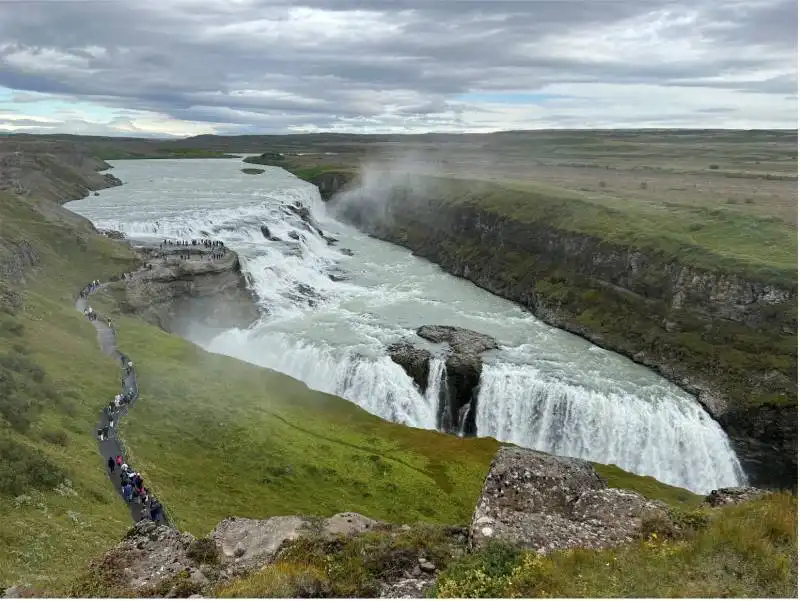
Just a few minutes’ drive from Geysir is Gullfoss, the iconic “Golden Falls” of Iceland. If the sun is on your side, you may be rewarded with a beautiful rainbow over the waterfall.
Must-see: Þingvellir National Park, Geysir and Gullfoss waterfall
Campsite: Skjól or Laugarvatn
Driving time: ~3 hours
Day 3: South Coast to Vík
This stretch of the South Coast packs some of Iceland’s most iconic sights into one unforgettable day. Walk behind the ribbon-like Seljalandsfoss for a rare behind-the-waterfall perspective, then continue to mighty Skógafoss, where mist often creates rainbows on sunny days. Before reaching Vík, stop at Reynisfjara Black Sand Beach to see its striking basalt columns, roaring Atlantic waves, and the Reynisdrangar sea stacks rising offshore. The village of Vík offers dramatic views of the surrounding cliffs and a convenient base for the night.
Must-see: Seljalandsfoss, Skógafoss, and Reynisfjara Black Sand Beach
Campsite: Vík Campsite
Driving time: ~4 hours
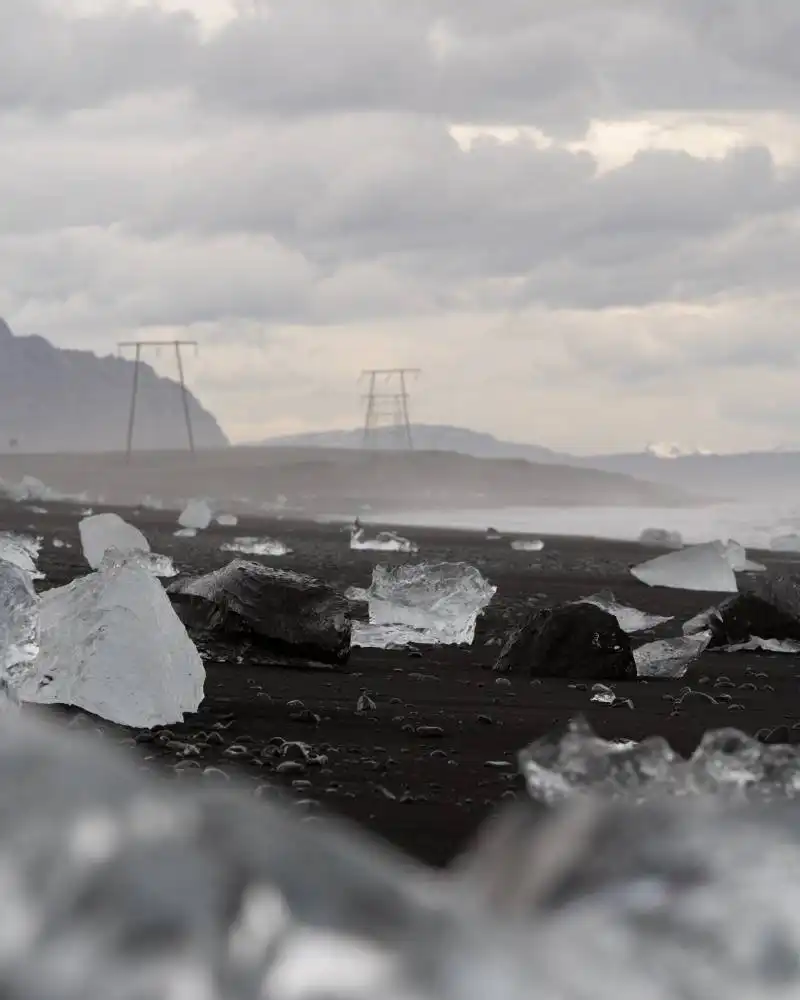
Day 4: Vík – Skaftafell – Jökulsárlón
Get to know Iceland’s glacial heart on this journey. Drive east through vast sand plains and lava fields toward Skaftafell, part of Vatnajökull National Park, where hiking trails lead to glacier tongues and panoramic viewpoints. Continue to the breathtaking Jökulsárlón Glacier Lagoon, where massive icebergs drift slowly toward the sea. Just across the road, Diamond Beach sparkles with ice fragments scattered across black volcanic sand—an unforgettable contrast.
Must-see: Jökulsárlón Glacier Lagoon, Diamond Beach
Campsite: Skaftafell
Driving time: ~4 hours
Day 5: East Fjords
The East Fjords offer a more quiet and remote side of Iceland, with winding coastal roads, steep mountains, and peaceful fishing villages. Take your time enjoying the scenery, spotting seabirds, and stopping at small harbors along the way. Djúpivogur is a charming village known for its slow-paced atmosphere, coastal art installations, and strong connection to local culture and nature.
Must-see: Djúpivogur
Campsite: Egilsstaðir
Driving time: ~5 hours
Day 6: North Iceland – Lake Mývatn
Enter one of Iceland’s most geologically active regions. Around Lake Mývatn, you’ll find bubbling mud pools, steaming vents, lava formations, and pseudo-craters formed by volcanic eruptions. After exploring the area’s surreal landscapes, unwind at the Mývatn Nature Baths, where warm, mineral-rich waters offer a relaxing soak with views of the surrounding volcanic terrain.
Must-see: Mývatn Nature Baths
Campsite: Mývatn
Driving time: ~3.5 hours
H3: Day 7: Akureyri & Goðafoss
Start the day at Goðafoss, the powerful “Waterfall of the Gods,” known for its wide, horseshoe shape and historical significance. Continue to Akureyri, Iceland’s northern capital, where you can explore colorful streets, visit the botanical garden, or enjoy cafés overlooking the fjord. The town provides a lively yet relaxed contrast to the remote landscapes seen earlier in the trip.
Must-see: Goðafoss - “Waterfall of the Gods”
Campsite: Akureyri
Driving time: ~2 hours
Day 8: Northwest Iceland
Travel through Skagafjörður, a region famous for Icelandic horses, fertile farmland, and deep-rooted history. Visit Glaumbær Turf Farm, a beautifully preserved turf house complex that offers insight into how Icelanders lived for centuries. The surrounding countryside feels timeless, with rolling hills, rivers, and traditional farms lining the route.
Must-see: Glaumbær Turf Farm
Campsite: Varmahlíð
Driving time: ~4 hours
Day 9: Snæfellsnes Peninsula
Often called “Iceland in Miniature”, the Snæfellsnes Peninsula showcases an incredible variety of landscapes in one compact area. Highlights include lava fields, dramatic cliffs, fishing villages, and the glacier-capped Snæfellsjökull volcano. Kirkjufell, one of Iceland’s most photographed mountains, rises sharply above nearby waterfalls and is especially stunning at sunset.
Must-see: Kirkjufell Mountain
Campsite: Grundarfjörður
Driving time: ~4 hours

Day 10: Return to Keflavík
On your final day, enjoy a relaxed drive back toward Keflavík. Depending on your route, stop at coastal viewpoints, lava fields, or small towns for last-minute souvenirs and photos. Return your campervan and reflect on an unforgettable journey around Iceland’s diverse landscapes before heading home.
Must-see: Coastal viewpoints
Driving time: ~3 hours
Handy Tips for Driving a Camper in Iceland
Driving in Iceland is straightforward, but preparation is key. Expect paved highways, gravel roads, and occasional narrow bridges. Drive cautiously and adjust speed to conditions. Reading about Iceland driving rules before your trip is highly recommended.
Speed Limits & Road Signs
Speed limits are strictly enforced, and signs may differ from those in other countries. Always follow posted limits.
Toll Roads & Tunnels
Most roads are free, but the Vaðlaheiðargöng tunnel near Akureyri requires a toll. Check out our Guide to Iceland’s Road Tolls for more information.
Packing Essentials for Your Iceland Camper Trip
Packing smart makes a huge difference in comfort.
- Clothing: Bring layers, waterproof jackets, sturdy shoes, and warm accessories, even in summer.
- Cooking & Camping Gear: Basic cookware, reusable utensils, and food containers are essential.
- Electronics: Phone chargers, power banks, and adapters are highly recommended.
- Safety Items: First aid kit, flashlight, and reflective vest for roadside stops.
- Optional & Extras: Binoculars, camera gear, hiking poles, and swimwear for hot springs.
Get Your Free Printable Version of This 10-Day Iceland Itinerary
Download a printable version to keep your itinerary handy on the road, even when internet access is limited.
This section is not to add now but at a later stage, the idea would be to create a pdf version of the itinerary with RV Iceland branding and colors and to add the link here)
Frequently Asked Questions:
Here you will find answers to the most common questions about a 10-day itinerary in Iceland.
How many days do I need to drive around Iceland?
A minimum of 7 days is possible, but 10 days allows a much more relaxed and enjoyable trip.
Is this easy to drive in Iceland with a campervan?
Yes, especially in summer. Reading our beginner guide to RV travel in Iceland will help you feel confident.
Is a campervan cheaper than hotels for 10 days in Iceland?
In most cases, yes. A campervan saves on accommodation and food.
Do you need to book campsites in advance?
Usually no, but popular sites in peak season may benefit from advance booking.
Is a campervan trip in Iceland suitable for families with kids?
Absolutely. With the right planning, a campervan trip with kids in Iceland can be comfortable, fun, and educational.
Final Words: Plan an Unforgettable Camper Trip in Iceland
A 10-day camper journey is one of the best ways to experience Iceland’s natural beauty and freedom. With the right planning and route, you’ll create memories that last a lifetime. When you’re ready, book your campervan and start your adventure.