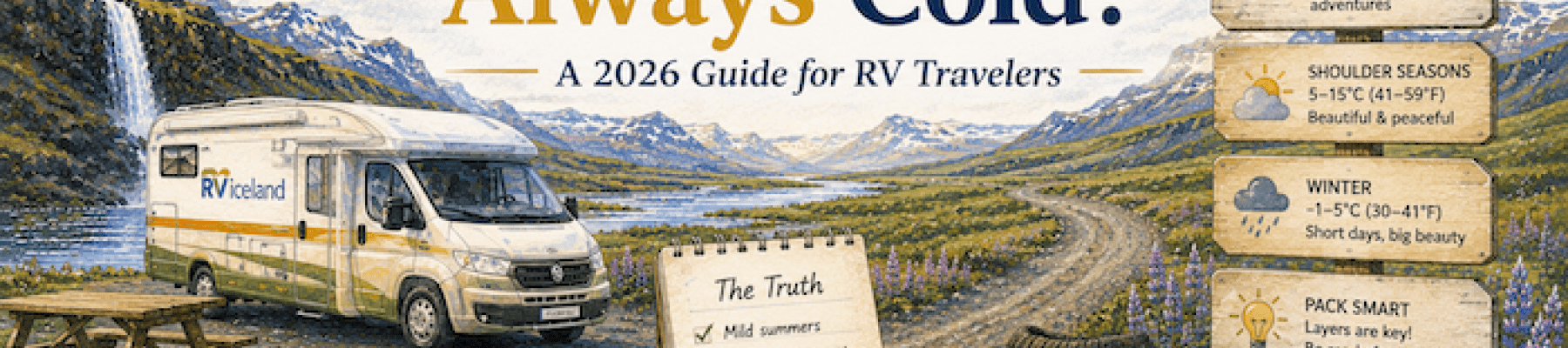
Is Iceland Always Cold? A 2026 Guide for RV Travelers
Discover whether Iceland is really cold and learn what to expect in every season. A complete guide for RV travelers with tips on weather, packing, and staying warm.
If you’re planning an RV trip in Iceland, one of the first questions that comes up is simple: how cold is it really? The short answer might surprise you. While Iceland sits just below the Arctic Circle, its climate is far milder than most people expect, especially along the coast where most travelers explore.
Thanks to the North Atlantic Current, Iceland experiences relatively moderate temperatures year-round. That said, weather here is famously unpredictable, and understanding what to expect can make or break your campervan trip.
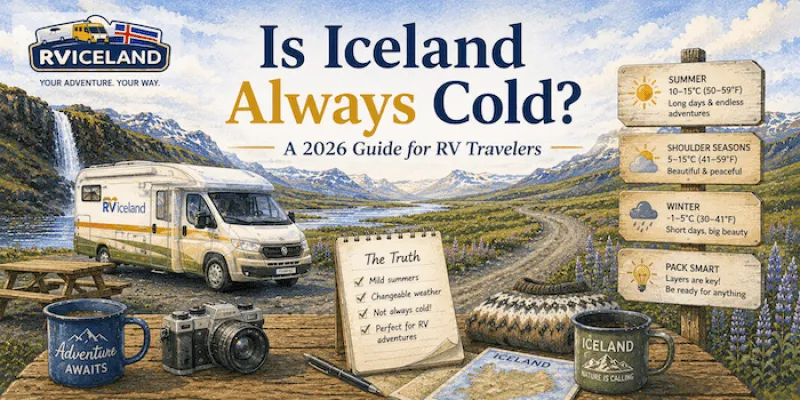
Short Answer: Iceland Is Not as Cold as You Think
Despite its name, Iceland isn’t a frozen wasteland. Coastal regions, where the majority of roads and campsites are located, have surprisingly mild winters compared to places at similar latitudes. For example, winter temperatures in Reykjavík often hover around freezing rather than plunging deep below zero.
What makes Iceland feel colder isn’t always the temperature, it’s the wind, humidity, and rapid weather changes. A calm 3°C day can feel comfortable, while a windy 8°C day might feel much colder. For RV travelers, this means preparation matters more than the raw temperature reading.
Average Temperatures in Iceland
Iceland’s climate varies by season, but extremes are rare. Here’s a breakdown to help you plan your trip.
Summer Temperatures (June to August)
Summer is the most popular time for RV travel. Even in the summer, Iceland stays relatively cool with temperatures typically range from 10°C to 15°C (50°F to 59°F), with occasional warmer days reaching 20°C (68°F). Long daylight hours and relatively stable weather make this ideal for exploring the Ring Road and highlands.
If you plan to visit during this time, check out our guide to summer travel in Iceland.
Winter Temperatures (November to March)
Winter temperatures usually range between -1°C and 4°C (30°F to 39°F). While that may not sound extreme, snow, ice, and strong winds can make conditions more challenging. Winter RV trips are still possible with proper planning and a well-equipped vehicle.
Spring Temperatures (March to May)
Spring is a transitional season with temperatures ranging from 0°C to 10°C (32°F to 50°F). Snow begins to melt, waterfalls are powerful, and tourist crowds are still relatively low. Weather can be mixed, with both winter and summer conditions appearing in the same week.
Autumn Temperatures (September to November)
Autumn sees temperatures from 2°C to 10°C (36°F to 50°F). It’s a fantastic time for RV travel with fewer crowds, beautiful fall colors, and the return of the northern lights. However, storms and rain become more frequent.
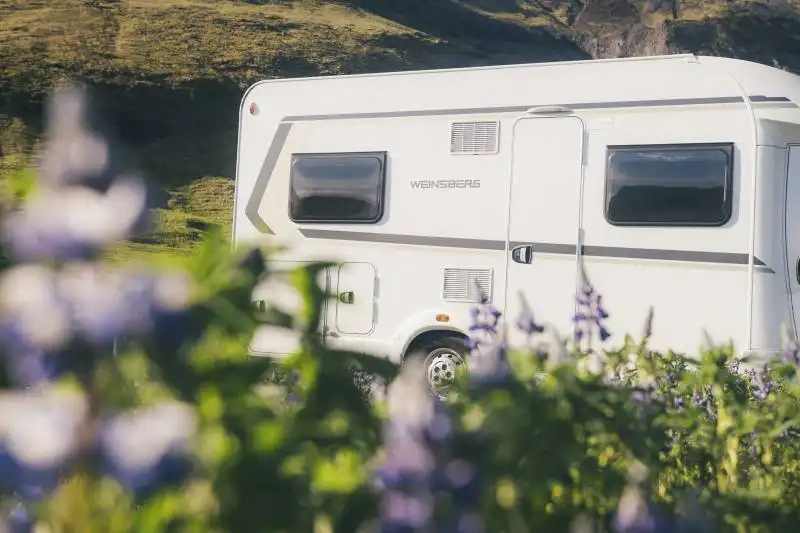
How Can the Cold Affect Your RV Trip?
Cold weather in Iceland doesn’t just influence what you wear, it affects your entire travel experience. From road safety to camper comfort, being prepared is essential.
Tips to Stay Warm in Your Camper
Choose an RV with a reliable heating system, as nights can get chilly even in summer. Bring a warm sleeping bag if you're traveling outside peak season, and always park in designated campsites that offer shelter from the wind when possible.
Cooking warm meals, keeping dry clothes handy, and ventilating your camper properly can also make a big difference in overall comfort.
Condensation and Insulation
Condensation is a common issue in campervans, especially in colder months. When warm air inside meets cold surfaces, moisture forms quickly. This can lead to damp bedding and foggy windows.
To manage this, use ventilation vents even when it’s cold outside, avoid drying wet clothes inside the vehicle, and choose a camper with good insulation. Modern RVs in Iceland are typically designed with these challenges in mind.
Weather Conditions That Can Affect RV Travel
Iceland’s weather is less about extreme cold and more about variability. Conditions can change rapidly, sometimes within minutes.
Wind is one of the biggest factors affecting RV travel. Strong gusts can make driving difficult, especially for larger vehicles. Rain, sleet, and snow can also appear unexpectedly depending on the season.
Common Weather Events
Expect sudden windstorms, heavy rain showers, and occasional snow in every season. Sandstorms can occur in certain regions, particularly in the south, and can damage vehicles if precautions aren’t taken. Fog is another factor, reducing visibility on coastal roads and mountain passes.
If you want to know more about weather conditions, check out our detailed guide on weather alerts and hazards in Iceland. It includes practical information on how to interpret warnings and safety tips.
Road Conditions
Many highland roads (known as F-roads) are only open during summer due to snow and river crossings. In winter, some roads may close temporarily due to weather conditions. Before setting out each day, always check road and weather updates. Flexibility is key when traveling in Iceland.
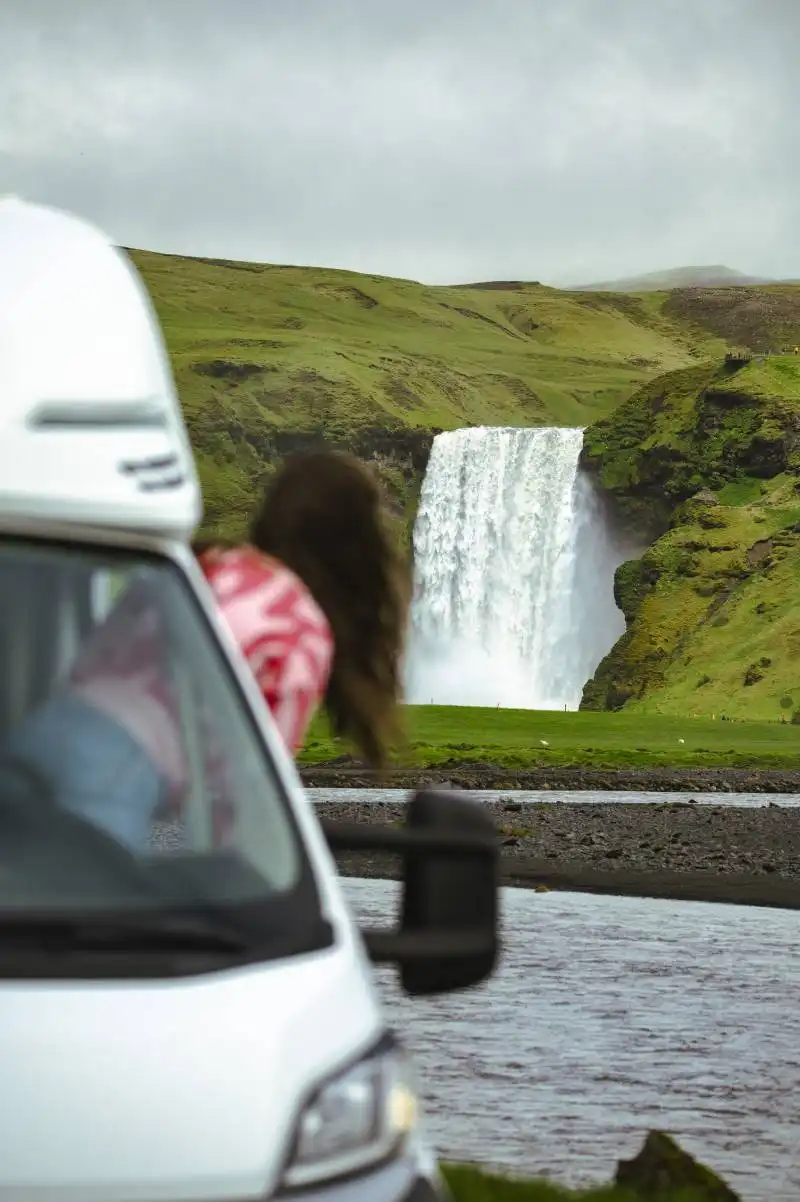
What to Wear in Iceland
Staying warm in Iceland is all about layering. Instead of relying on one heavy jacket, you’ll want multiple layers that you can adjust throughout the day.
Start with a moisture-wicking base layer, ideally made from merino wool or synthetic materials. This keeps sweat away from your skin and helps regulate body temperature.
Next, add an insulating layer such as a fleece or lightweight down jacket. This traps heat and provides warmth.
Finally, wear a waterproof and windproof outer layer. This is essential in Iceland, where rain and wind are frequent companions.
Don’t forget accessories: a warm hat, gloves, scarf, and sturdy waterproof shoes are must-haves. Even in summer, having these items on hand can make your trip far more comfortable.
Ready for the Ultimate RV Adventure in Iceland?
Iceland may not be as cold as you expect, but being prepared for its ever-changing weather is the key to an unforgettable trip. With the right clothing, a well-equipped camper, and a flexible itinerary, you can explore waterfalls, glaciers, volcanoes, and black sand beaches in comfort.
Whether you’re chasing the midnight sun or hunting the northern lights, an RV journey gives you the freedom to experience Iceland on your own terms, no matter the season. Ready to explore? Secure your motorhome rental in Iceland today and start planning an unforgettable adventure!
Frequently Asked Questions:
Travellers tend to have lots of questions about the weather in Iceland so we’ve compiled answers to the most common questions.
Not really. On rare occasions during summer, temperatures can reach 20°C (68°F) or slightly higher. However, most days remain mild rather than hot.
In most populated areas, snow is unlikely during summer. However, you can still find snow in the highlands and on mountain peaks year-round.
Yes, temperatures can dip below freezing, but they usually stay close to 0°C rather than dropping to extreme lows.
The coldest temperature recorded in Iceland is around -38°C (-36°F), though this occurred in remote inland areas and is not representative of typical conditions.
The coldest regions are generally inland and in the north, away from the moderating influence of the ocean. The central highlands also experience much harsher conditions than coastal areas