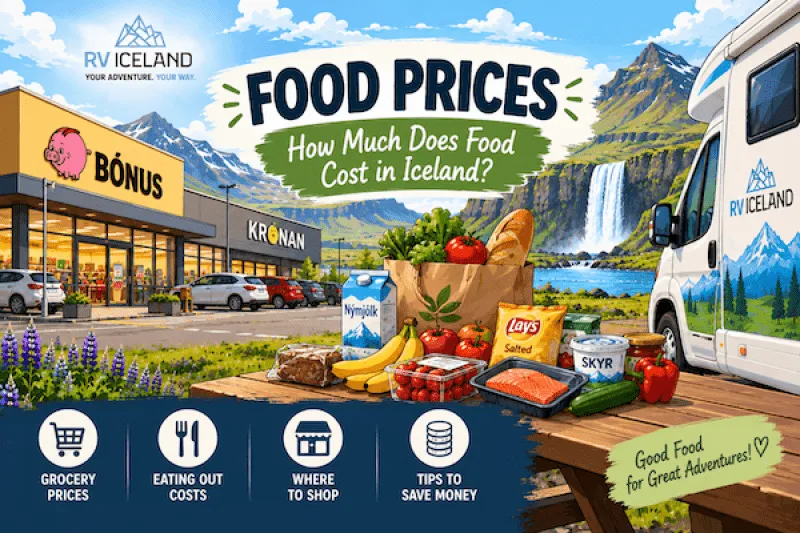
Food Prices: How Much Does Food Cost in Iceland?
Food prices in Iceland explained: restaurant, grocery, road trip and alcohol costs, plus practical tips to eat well and save money.
Iceland is famous for dramatic landscapes, waterfalls, volcanoes and amazing road trips but it is also known for having relatively high food prices. The good news is that eating in Iceland does not have to break your travel budget. With a little planning, supermarket shopping, casual dining and smart road-trip stops can make a significant difference.
For 2026, a realistic food budget ranges from around ISK 3,000–5,000 per person per day for mostly self-catering, around ISK 7,000–13,000 for a mix of groceries and eating out, and ISK 13,000–20,000+ for restaurant-focused days. Your actual spending will depend on where you eat, how often you cook and whether you are travelling during the busy summer season.
All prices in this guide are approximate and shown in Icelandic króna (ISK). Prices vary between towns, restaurants, supermarkets and tourist areas.
Is Food Expensive in Iceland?
Yes, compared with many European destinations, food in Iceland can be expensive, particularly when eating at sit-down restaurants or buying groceries in convenience stores. However, the biggest difference comes from where and how you eat.
A simple supermarket breakfast can cost only a few hundred ISK per person, while a restaurant dinner can easily cost several thousand ISK. During a road trip, buying groceries in a larger town and carrying snacks and meal ingredients with you can save considerably compared with stopping at restaurants for every meal.
The key is to think of your food budget in categories: supermarkets for everyday meals, casual restaurants and food halls for affordable dining out, and restaurants for the occasions when you want to experience Icelandic cuisine.
What to Expect: Realistic Costs
As a rough guide, budget around:
- Mostly self-catering: ISK 3,000–5,000 per person per day
- Mixed groceries and casual dining: ISK 7,000–13,000 per person per day
- Eating out regularly: ISK 13,000–20,000+ per person per day
- Fine dining and drinks: considerably more
These figures are not fixed prices but planning ranges to give you an idea of what to expect. Reykjavík tends to offer the widest choice, while remote areas may have fewer places to eat and sometimes higher prices.
The Main Reasons Behind Iceland's High Food Prices
Several factors contribute to Iceland's relatively high food costs. Iceland is a small, geographically isolated market, so many ingredients, packaged foods and other supplies have to travel long distances before reaching shops and restaurants. The country's small population also means retailers and restaurants cannot always benefit from the same economies of scale as larger European markets.
Labour, operating and transportation costs also influence restaurant prices. Agricultural production is possible in Iceland, and products such as dairy, lamb, fish and some vegetables can be locally sourced, but many other ingredients are imported.
Taxes also form part of the price structure, although visitors generally see the final consumer price rather than adding sales tax at the checkout.
Restaurant Prices & Average Cost of Dining Out in Iceland
Eating out is usually one of the biggest food expenses on an Iceland road trip. In Reykjavík, current 2026 price data puts an inexpensive restaurant meal at around ISK 3,500, while a three-course meal for two at a mid-range restaurant averages around ISK 14,000, with substantial variation depending on the restaurant.
One useful thing to know is that Icelandic restaurant prices are generally displayed as the final price. VAT and service are included, so you do not normally need to calculate an additional sales tax or compulsory service fee when reading a menu. Tipping is not part of Icelandic dining culture and is not expected. If you receive exceptional service, leaving a little extra is appreciated but entirely optional. For more detail, see our guide to tipping in Iceland.
How Much Does a Meal Cost in Iceland?
The price of a meal depends heavily on the type of restaurant.
An inexpensive or casual meal can cost roughly ISK 2,500–4,500 per person, while a main course at a casual or mid-range restaurant is often around ISK 3,500–6,000. A three-course mid-range meal can work out at roughly ISK 5,000–15,000 per person, depending on the restaurant and what you order.
For a special occasion, fine dining can push the cost considerably higher, especially once wine or other drinks are added. Current Reykjavík price data shows a wide range for three-course mid-range dining, with prices for two ranging from roughly ISK 10,000 to ISK 30,000.
If you are trying to save money, consider making lunch your main restaurant meal. Lunch specials are often better value than dinner menus.
Iceland Casual Eats & Street Food Prices
You do not need to sit down for a full restaurant meal every time you are hungry. Iceland has plenty of casual options that work well for travellers exploring by car.
The country's famous Icelandic hot dog, or pylsur, is one of the easiest budget-friendly meals. Expect roughly ISK 650–900 for a hot dog depending on location. Burgers and fries commonly cost around ISK 2,500–4,000, while pizza is often around ISK 2,500–4,000+. Food halls are another useful option, particularly in Reykjavík, because several people can choose different dishes without committing to a full-service restaurant.
Food halls and casual cafés are especially useful when travelling as a group: you can get everything from burgers and pizza to soups, salads and Icelandic dishes without paying fine-dining prices.
Coffee, Soft Drinks & Water Prices
Coffee is another small expense that can quickly add up during a road trip. A café cappuccino typically costs around ISK 600–900, while soft drinks in cafés and restaurants can be roughly ISK 300–500.
Bottled water is another cost you can easily avoid. Iceland has excellent tap water, so excellent that Icelandic brands of bottled water are just Icelandic tap water and Icelandic tap water is free in restaurants and accommodations. A 1.5-litre bottle from a supermarket may cost roughly ISK 200–350, while a small bottled water bought in a café or restaurant can cost considerably more.
Bring a reusable bottle and refill it as you travel rather than buying bottled water every day.
How to Eat on a Budget During a Road Trip
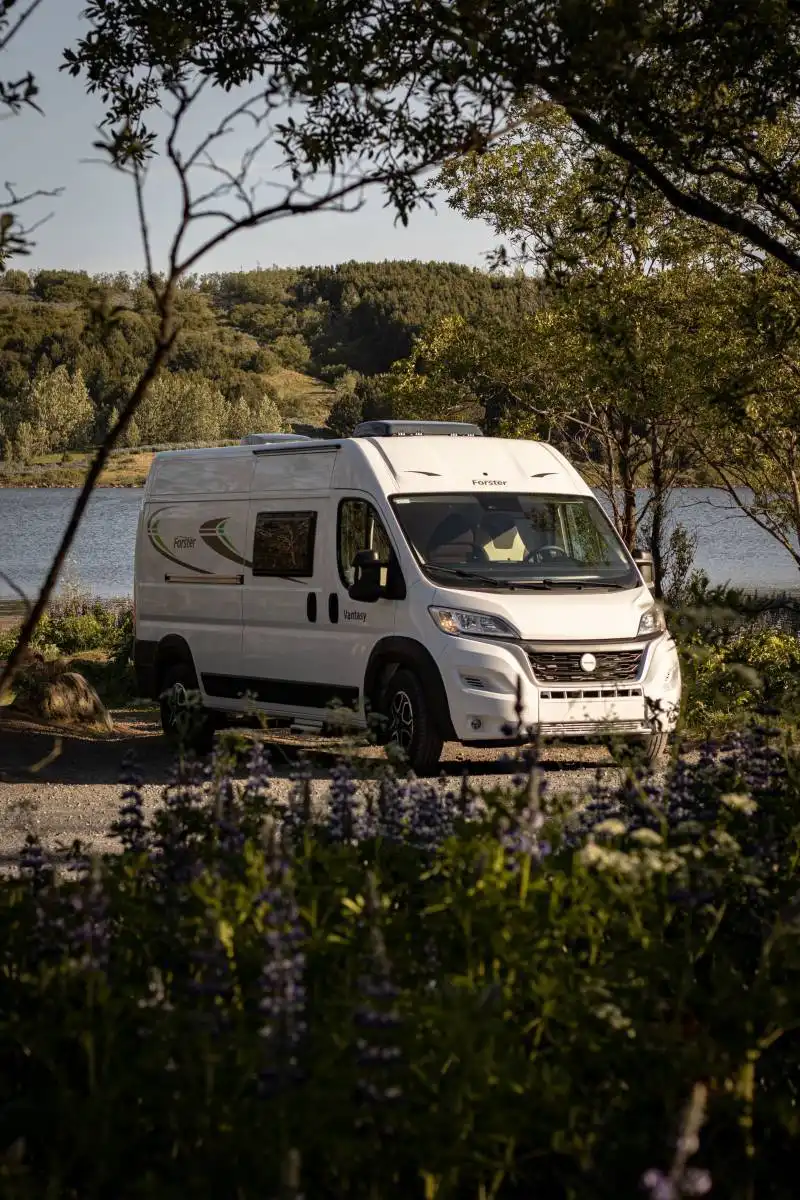
Renting a vehicle gives you much more flexibility when it comes to food. Instead of stopping at the first restaurant you see, you can stock up in a supermarket, carry snacks in your vehicle and choose when you want to eat out.
A good road-trip strategy is to buy several days' worth of breakfast ingredients, sandwich supplies, snacks and simple dinner ingredients whenever you reach a larger town. Then use cafés, food halls and restaurants for occasional meals and local specialities.
This is particularly useful on the Ring Road, where food options can become less frequent between larger towns.
Gas Station Food Prices
Icelandic gas stations are more than places to refuel. Many have cafés or food counters selling surprisingly substantial meals, including burgers, soups, hot dogs, sandwiches and other hot food.
A simple gas-station meal can be a useful budget option during a long driving day.
Depending on what you order, expect roughly ISK 1,500–3,500 for a filling meal. Current menus at Icelandic fuel stops show burger meals around ISK 3,000–3,200 and traditional meat soup around ISK 3,000, while simpler options can cost less.
They are particularly convenient when you are driving between attractions and do not want to spend an hour looking for a restaurant.
Easy & Cheap Road Trip Meal Ideas
You do not need elaborate cooking equipment to eat well on an Iceland road trip. Some of the easiest options include:
- Skyr, fruit and bread for breakfast
- Sandwiches or wraps for lunch
- Instant noodles or pasta with vegetables
- Soup with bread
- Oatmeal with fruit
- Ready-made supermarket meals
- Tuna, eggs or cheese with bread and vegetables
- Snacks such as nuts, fruit, crackers and chocolate
If you are travelling in a campervan, planning a few simple meals in advance can make a big difference.
Iceland Grocery Store Prices
Supermarkets are generally the best way to control your food budget. Recent 2026 price monitoring found significant differences between Icelandic grocery chains, with discount stores regularly offering much lower prices than convenience-focused shops. A large comparison found the lowest prices most often at Prís, followed by Bónus and Krónan.
For a road trip, it is worth shopping in larger towns whenever possible rather than relying on small convenience stores at tourist stops.
Bónus is a discount supermarket with locations around Iceland, while Krónan is another useful option with stores in Reykjavík and several towns around the country.
When shopping, compare prices, choose store-brand products where available, look for larger packs when they make sense for your group, and prioritise local staples such as skyr, bread and dairy.
Everyday Item Prices (Milk, Bread, Eggs, Chicken & Staples)
The following are realistic 2026 supermarket price ranges for basic food items. Prices vary by brand, store, location and promotions, but they are useful for planning a road-trip grocery budget.
Everyday item Approximate price
| Type of food | Quantity | Price in ISK |
| Milk | 1 litre | ISK 230–320 |
| Bread | 500–700 g | ISK 350–600 |
| Eggs | 12 | ISK 850–1,000 |
| Skyr | 500 g | ISK 450–600 |
| Pasta | 500 g | ISK 250–400 |
| Rice | 1 kg | ISK 350–550 |
| Butter | 250 g | ISK 450–650 |
| Bananas | 1 kg | ISK 400–700 |
| Tinned beans | 400 g | ISK 200–300 |
| Tomatoes | 1 kg | ISK 600–1,100 |
| Bottled water | 1.5 litres | ISK 200–350 |
Prices for meat and imported fruit and vegetables can be noticeably higher than basic staples, so choosing meals around affordable ingredients is one of the easiest ways to reduce your grocery bill.
Cost of Alcohol in Iceland
Alcohol is considerably more expensive in Iceland than many visitors expect. It is also sold through a different system: full-strength alcohol is primarily sold through state-run stores (Vínbúðin) rather than ordinary supermarkets. Supermarkets can sell low-alcohol drinks up to the legal threshold of 2.25% ABV.
If you are planning to drink during your trip, buying from Vínbúðin or using duty-free allowances can make a substantial difference compared with ordering every drink at a bar.
How Much Is a Beer in Iceland?
A beer at a Reykjavík bar or restaurant commonly costs around ISK 1,200–1,800, although premium beers and central tourist venues can be more expensive.
Happy Hour can make a noticeable difference. Many Reykjavík bars offer discounted beer during the afternoon or early evening, with current examples showing prices around ISK 950–1,200 for selected beers. Times and offers vary by venue, so check the day's Happy Hour before ordering.
At Vínbúðin, regular beer can be much cheaper than bar prices, with current examples ranging from roughly ISK 400–700 for a 330–500 ml beer, depending on the brand and size.
Where to Buy Wine & Beer at the Best Price
For full-strength beer, wine and spirits, Vínbúðin is usually the place to compare prices within Iceland. Locations are available in Reykjavík and many regional towns, although opening hours are more limited than regular supermarkets.
Supermarkets such as Bónus and Krónan can sell low-alcohol and alcohol-free beer, but not regular full-strength beer, wine or spirits.
Keflavík Airport Duty Free is another option worth considering, particularly if you are arriving in Iceland and intend to buy alcohol within your allowance. Current airport prices show beer sold in multi-packs at significantly lower per-litre prices than typical bar purchases, alongside wine and spirits.
Always check the current customs allowance before buying alcohol at the airport.
How to Save Money on Food in Iceland
The easiest way to reduce your food costs is to avoid treating every meal as a restaurant meal. Shop at discount supermarkets, prepare breakfast yourself, pack lunches for driving days and use cafés, food halls and gas stations when you want something hot.
A few other useful strategies include:
- Shop for several days at a time in larger towns.
- Carry snacks and drinks in your rental car.
- Choose lunch specials instead of restaurant dinners when possible.
- Drink tap water instead of buying bottled water.
- Try hot dogs, soups and other casual Icelandic foods.
- Look for Happy Hour if you plan to have a drink.
- Buy full-strength alcohol from Vínbúðin rather than bars.
- Use accommodation with a kitchen when possible.
- Avoid doing your main grocery shop at convenience stores.
- Check prices before ordering, particularly in busy tourist areas.
For more practical advice, read our tips on how to save money in Iceland.
Ready to Explore Iceland Without Overspending?
Iceland doesn’t have to be an expensive destination. The biggest savings usually come from a few simple habits: shop at discount supermarkets, carry food in your car, make use of gas-station cafés and casual food stops, and choose when to spend on a memorable restaurant meal.
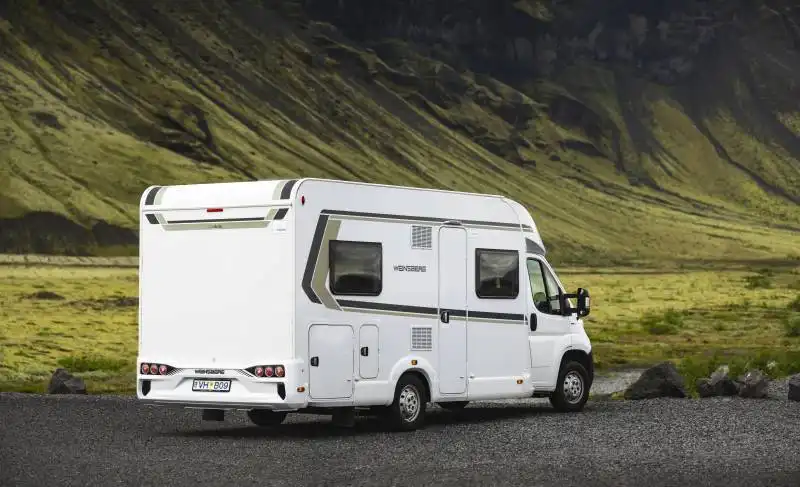
With your own camper rental, you also have the freedom to shop when prices are better and avoid being tied to expensive restaurants at every stop. Plan a little before you set off, keep a few easy meals and snacks in your camper, and you can enjoy Iceland's famous food scene without letting your food budget take over the trip.
Frequently Asked Questions
Food and restaurant prices in Iceland may be relatively high but there are ways to budget and plan to enjoy the gastronomic delights of Iceland without breaking the bank. We’ve compiled some of the most common questions about food prices in Iceland to help you plan your adventure in Iceland.
For 2026, a realistic food budget is around ISK 3,000–5,000 per person per day if you mostly self-cater, ISK 7,000–13,000 for a mix of groceries and casual dining, and roughly ISK 13,000–20,000+ if you eat out regularly.
You can spend less with careful supermarket shopping, while restaurant meals, alcohol and premium dining can quickly push the daily total higher.
A 1.5-litre bottle of water in a supermarket typically costs around ISK 200–350. Smaller bottles bought at cafés, restaurants or tourist locations can cost more.
However, buying bottled water is usually unnecessary. Icelandic tap water is safe to drink and is readily available, so carrying a reusable bottle is one of the simplest ways to save money during your trip.
Yes, but Iceland has strict food-import and biosecurity rules, so check the current requirements before travelling.
For food in luggage, Icelandic Customs currently allows travellers to bring food without import charges up to a maximum value of ISK 25,000 and a maximum weight of 10 kg. Import charges may apply above those limits.
However, the 10 kg/ISK 25,000 allowance does not mean every type of food is permitted.
Raw meat products are prohibited, and uncooked eggs and uncooked milk are also restricted. Food containing meat, dairy or eggs from countries outside the EEA is generally prohibited for private import, subject to limited exceptions. MAST also advises that imported food should be in sealed consumer packaging with an ingredients list.