How to Save Money in Iceland: Our Budget-Saving Tips
Planning a trip on a budget? Discover how to save money in Iceland with our top budget travel tips, including camping, cheap food, affordable transport, and the best time to visit Iceland.
Iceland is famous for its breathtaking waterfalls, volcanoes, glaciers, and road trips, but it also has a reputation for being expensive. The good news is that visiting Iceland on a budget is possible with the right planning.
From choosing affordable accommodation and cooking your own meals to camping and traveling during the off-season, there are many ways to reduce costs without missing out on the experience. In this guide, we share practical tips to help you save money while exploring Iceland comfortably and responsibly.
Is Iceland an Expensive Country to Visit?
Yes, Iceland is considered one of the more expensive destinations in Europe, especially for accommodation, dining, and transportation. Because Iceland imports many goods and has a relatively small population, prices are often higher than travelers expect.
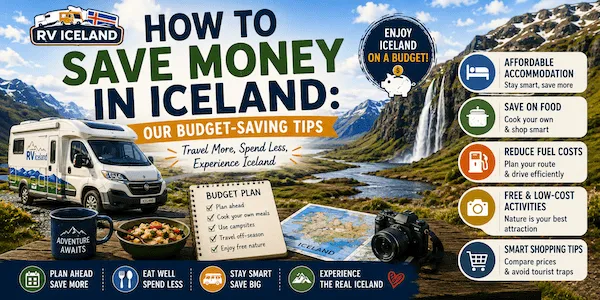
However, Iceland does not have to be a luxury-only destination. Many travelers successfully explore the country on moderate or even low budgets by choosing smart alternatives such as campervan travel, camping, grocery shopping, and self-driving tours.
Iceland: The Budget Reality
While Iceland can be expensive, understanding average costs ahead of time helps travelers budget properly and avoid surprises. Accommodation, food, fuel, and activities usually make up the largest travel expenses.
Accommodation Prices
Accommodation prices in Iceland vary greatly depending on the season, location, and comfort level. Summer is the most expensive period, while shoulder seasons and winter often offer lower rates.
Hotels & Airbnb’s
Hotels and Airbnb properties are usually the most expensive accommodation options in Iceland. Travelers can expect average nightly prices such as:
- Budget hotels: USD 140–220 / EUR 130–200
- Mid-range hotels: USD 220–400 / EUR 200–360
- Airbnb apartments: USD 180–350 / EUR 165–320
For travelers comparing options, a campervan vs hotel stay often shows that campervan travel can significantly reduce accommodation and transportation costs combined.
Hostels & Guesthouses
Hostels and guesthouses are more affordable and popular among budget travelers. Shared hostel dorms usually cost:
- USD 40–70 / EUR 35–65 per night
Private guesthouse rooms often range between:
- USD 90–170 / EUR 80–155 per night
These options are ideal for travelers who want lower costs while still having indoor facilities.
Campsites
Camping is one of the cheapest accommodation choices in Iceland, especially during summer. Campsites generally cost:
- USD 10–25 / EUR 9–23 per person per night
Many campsites also offer shared kitchens, showers, electricity hookups, and laundry facilities. Travelers using campervans or rooftop tents can reduce accommodation costs substantially by staying at campsites throughout their trip.
Dining Out: What to Expect
Dining out in Iceland can quickly become expensive, particularly in Reykjavík and tourist-heavy areas.
Average restaurant prices include:
- Fast food meal: USD 15–25 / EUR 14–23
- Casual restaurant meal: USD 25–45 / EUR 23–41
- Three-course dinner: USD 60–120 / EUR 55–110
Budget-friendly alternatives include:
- Icelandic hot dogs from stands like Bæjarins Beztu
- Grocery store meals
- Bakery sandwiches
- Gas station soups and sandwiches
Cooking your own meals while camping or staying in guesthouses with kitchens can save hundreds of dollars over a longer trip.
New Kilometer Fee
Iceland has recently introduced a new kilometer-based road tax system for certain vehicle categories to help maintain infrastructure. While this added a small additional cost for some travelers, fuel prices have also fluctuated and in some periods decreased compared to previous years.
Travelers renting fuel-efficient campervans or compact vehicles can still manage transportation costs effectively by planning routes carefully and avoiding unnecessary driving.
Cost of Gas
Gas prices in Iceland are generally higher than in mainland Europe and North America, although they vary depending on global fuel markets.
On average, travelers can expect:
- USD 2.20–2.70 per liter
- EUR 2.00–2.50 per liter
Diesel is often slightly cheaper than gasoline, making diesel campervans a popular choice for long road trips.
For updated information about gas prices in Iceland, checking current fuel rates before your trip is recommended.
Our 10 Tips for Visiting Iceland on a Budget
Traveling smart can make a huge difference when visiting Iceland. These practical tips help reduce costs while still allowing you to enjoy the country’s incredible landscapes and attractions.
Go on a Camping Trip
Camping is one of the best ways to save money in Iceland. Instead of paying for expensive hotels every night, travelers can stay at campsites for a fraction of the cost.
A campervan also combines transportation and accommodation into one expense, making it especially budget-friendly for couples, families, and groups going on a camping trip.
Get the Camping Card
The Iceland Camping Card provides access to multiple participating campsites for one fixed price during the camping season. It is particularly useful for travelers planning extended road trips or frequent campsite stays. Families and long-term travelers usually benefit the most.
If you are unsure whether you need the Camping Card, comparing your planned route and expected number of campsite nights can help determine its value.
Know the Best Happy Hours
Alcohol in Iceland is expensive, especially in bars and restaurants. Fortunately, many bars in Reykjavík offer happy hour specials with reduced drink prices.
Using happy hour apps or checking bar schedules online can help travelers enjoy Iceland’s nightlife without overspending.
Use Discount Codes
Many Icelandic tour operators, campervan companies, and attractions offer online discount codes and seasonal promotions.
Booking activities in advance and checking rental company promotions can help lower overall travel expenses significantly.
Go to Budget-Friendly Grocery Stores
Budget grocery stores are essential for saving money in Iceland. Recommended affordable stores include:
- Bónus
- Krónan
- Nettó
Travelers should avoid smaller convenience stores and gas station markets for regular grocery shopping, as prices there are usually much higher. Buying ingredients and preparing your own meals is one of the easiest ways to reduce travel costs.
Enjoy Free Attractions
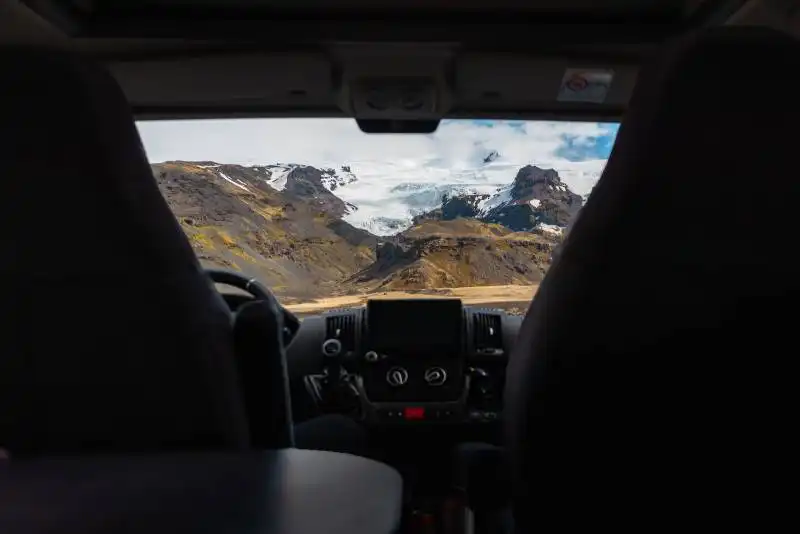
One of the best things about Iceland is that many of its most famous attractions are completely free. Travelers can visit:
- Waterfalls
- Black sand beaches
- Lava fields
- Hiking trails
- Scenic viewpoints
Nature is Iceland’s biggest attraction, and exploring it often costs nothing beyond transportation and parking fees.
Go to Local Pools
Instead of expensive spa visits, travelers can enjoy Iceland’s local geothermal swimming pools for a much lower price. Most public pools cost:
- USD 8–15 / EUR 7–14
They often include hot tubs, saunas, and steam rooms, providing an authentic Icelandic experience at a fraction of the price of luxury spas.
Don’t Buy Bottled Water
Iceland has some of the cleanest tap water in the world. Buying bottled water is unnecessary and adds extra costs during your trip. Travelers should bring reusable water bottles and refill them throughout their journey.
Local tip: make sure to let the water from the tap run for a while before filling your bottle.
Bring Your Own Dry Food
Many travelers bring dry food items such as protein bars, oatmeal, pasta, coffee, or snacks from home to reduce grocery expenses. This can be especially helpful for long road trips through remote regions where food options are limited and more expensive.
Self-Drive
Self-driving is often one of the most flexible and cost-effective ways to explore Iceland, particularly for groups or families.
A rental vehicle allows travelers to:
- Avoid expensive guided tours
- Travel at their own pace
- Access remote locations
- Combine transportation and accommodation with campervans
Planning your own itinerary can significantly lower overall travel costs.
How to Pay in Iceland?
Iceland is largely a cashless country, and credit or debit cards are accepted almost everywhere, including gas stations, campsites, restaurants, and even public toilets. Most travelers rarely need cash during their trip. Contactless payments and mobile payment methods are also widely accepted.
For more detailed information about payment methods in Iceland, understanding how local payment systems work can help avoid confusion during your trip.
When to Visit Iceland on a Budget?
The cheapest travel periods in Iceland are usually during the shoulder seasons:
- Late September to November
- February to early May
Flights, accommodations, and rental vehicles are often significantly cheaper compared to peak summer months.
Travelers looking for the cheapest time to go to Iceland should also consider balancing lower prices with weather conditions and daylight hours.
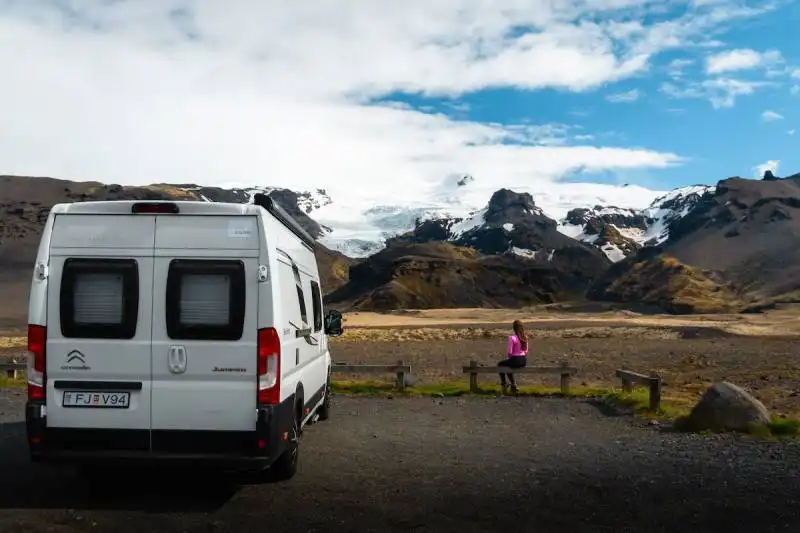
Final Thoughts: Saving on Your Iceland Journey
Although Iceland has a reputation for high prices, careful planning can make the country surprisingly accessible for budget-conscious travelers. Camping, self-driving, cooking your own meals, and traveling during the shoulder season are some of the most effective ways to save money while still experiencing Iceland’s unforgettable landscapes.
With the right strategy, you can enjoy waterfalls, glaciers, volcanoes, and road trips across Iceland without overspending. Ready to start planning? Explore our campers for hire and embark on an unforgettable journey!
Frequently Asked Questions
Budget travelers often have similar questions when planning a trip to Iceland.
Yes, Iceland has a Costco located in the Reykjavík area. Many locals and travelers use it for cheaper groceries, fuel, and bulk supplies. For travelers on longer road trips, Costco can be useful for stocking up on snacks, drinks, and camping supplies.
The cheapest months are generally during late autumn and early spring when tourist numbers are lower and accommodation prices decrease. Winter can also offer good deals outside holiday periods.
Yes. The shoulder season often provides the best balance between affordability, manageable weather, and fewer crowds. Rental cars, flights, and hotels are usually cheaper than during summer, while many attractions remain accessible.