
Driving in Iceland gives you the freedom to explore waterfalls, glaciers, black-sand beaches, and remote highlands at your own pace. Whether you’re renting a 4x4 camper, a campervan, or a full motorhome, this guide covers everything you need to know. Much of the advice applies to all vehicles, and we also include specific tips for camper and RV/motorhome driving in Iceland.
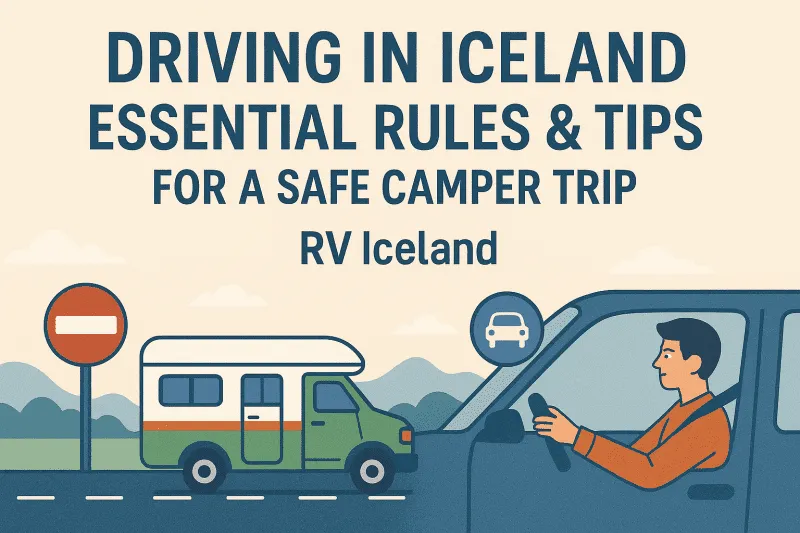
Things You Should Know Before Driving in Iceland
Before hitting the road, it’s important to understand the basics such as legal requirements, essential documents, and the type of insurance you may need. Iceland’s roads and conditions are unique, so being prepared ensures a smooth, safe journey.
Driver’s License Requirements & Key Documents
To drive or rent a car, camper, or motorhome in Iceland, you must have:
- A valid driver’s license written in Roman characters
- A license that has been held for at least one year
- A passport or national ID
- A credit card for car rental security deposits
International Driving Permits are recommended but not mandatory unless your license is not in Roman characters.
What Insurance Do You Need?
Car rentals in Iceland typically include basic CDW (Collision Damage Waiver) and Theft Protection (TP). With RV Iceland, additional protections like Gravel Protection (GP), Super Collision Damage Waiver (SCDW), and Sand and Ash Protection (SAAP) are available and highly recommended due to Iceland’s unique road and weather risks.
Our comprehensive guide to camper rental insurance in Iceland explains everything in detail so you can be fully prepared for your journey with complete peace of mind.
Essential Driving Rules in Iceland
Driving regulations in Iceland are designed to keep everyone safe, especially given challenging conditions. All travelers should familiarize themselves with these core rules before setting out.
Key rules include:
- Drive on the right side of the road
- Keep headlights on at all times (day or night, year-round)
- Off-road driving is illegal
- Seatbelts are mandatory
- Using a mobile phone while driving is prohibited (unless hands-free)
- Stop only in designated areas, never on the road itself
- Yield to traffic on the right unless otherwise indicated
Speed Limits in Iceland
Speed limits vary depending on the type of road:
- 50 km/h in urban areas
- 80 km/h on gravel roads
- 90 km/h on paved rural roads (including the Ring Road)
Speeding is taken seriously and can result in very high fines, and there are speed cameras and police patrols throughout the country.
Icelandic Traffic & Road Signs
Icelandic road signs follow European standards but include unique symbols warning about gravel surfaces, blind hills, sheep crossings, and single-lane bridges. Understanding these signs is crucial for safe driving.
(Here it would be nice to have an image of the common road signs we mention)
Single-Lane Bridges & Tunnels
Many bridges in Iceland are single-lane. The rule is simple: the car closest to the bridge has priority, but always slow down and approach with caution. Some tunnels also operate with alternating right-of-way indicated by signs.
Parking Rules
Only park in marked parking areas or designated pull-offs. Avoid parking on vegetation, private property, or unsafe shoulders. In Reykjavík and popular towns, pay attention to paid parking zones.
Icelandic Road Types
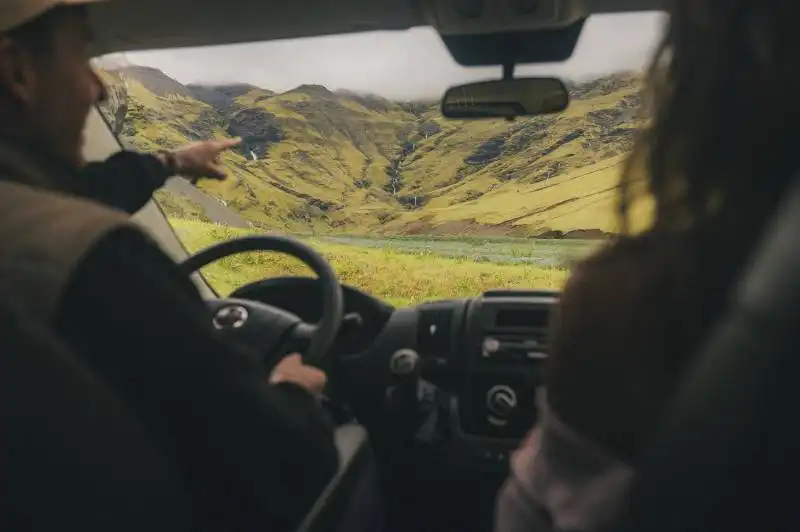
Iceland has several types of roads, each requiring different driving approaches. Knowing the differences helps you plan your itinerary and choose the right vehicle.
Paved Roads
These include the Ring Road (Route 1) and most main roads. They are generally well-maintained and accessible year-round, though weather can still impact conditions.
Gravel Roads & Dirt Tracks
Found outside major towns, these roads can be rough and slippery. Drive slowly to avoid skidding and reduce the risk of gravel damage.
Mountain Roads (F-Roads)
Marked with an “F”, these highland roads are only open in summer and require a 4x4 vehicle. They often include river crossings, steep slopes, and rough terrain. Never attempt to drive F-roads with standard cars, campers, or motorhomes.
Road & Weather Conditions in Iceland
Iceland’s weather is famously unpredictable. Conditions can change within minutes, affecting visibility, traction, and overall safety. Staying informed is part of safe travel.
Rapidly Changing Weather
Drivers may encounter snow, ice, rain, high winds, fog, or even sandstorms depending on the season. Strong winds can be dangerous for high-profile vehicles like campers.
Road Closures & Weather Alerts
The Icelandic Road Administration may close routes, especially mountain roads or sections impacted by storms. Always check road conditions before departure. Pay attention to yellow, orange, and red weather alerts. These warnings indicate strong winds, severe storms, or hazardous travel conditions.
Animals on the Roads
Sheep often roam freely and can unexpectedly cross roads. Always slow down when animals are nearby.
Driving in Iceland During Winter
Winter driving in Iceland may involve icy roads, limited daylight, snowstorms, and high winds. Renting a 4x4 and using studded winter tires is essential during the cold season.
Renting a Camper in Iceland
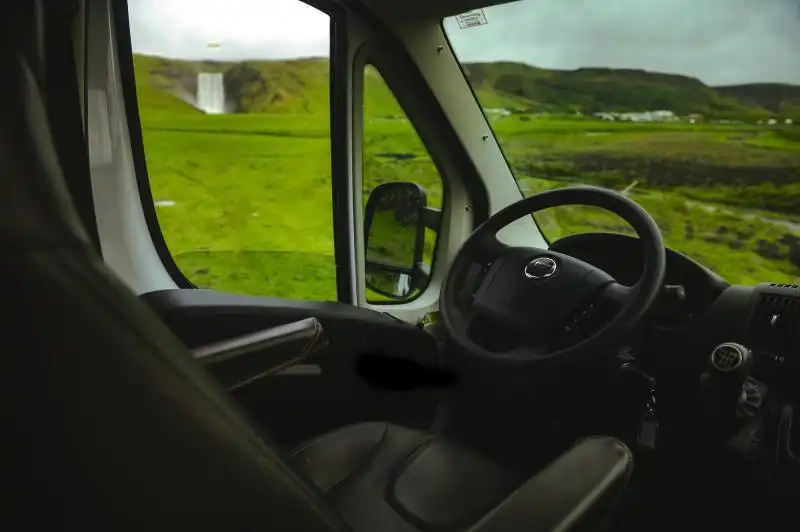
Traveling in Iceland by camper is one of the best ways to explore the country. Campers and motorhomes offer complete freedom, flexibility, and an immersive experience. A camper gives you the ability to wake up next to waterfalls, glaciers, or beaches while keeping your accommodation mobile.
Can You Drive on F-Roads With a Camper?
Most campervans and motorhomes cannot drive on F-roads because they lack the necessary ground clearance and 4x4 capability. Always confirm with your rental provider before attempting any highland route. RV Iceland 4x4 campers are allowed to drive on F-Roads.
Overnight Parking & Campsites Regulations
In Iceland, you must stay in designated campsites—wild camping is not allowed for camper vans or motorhomes. You will find about 170 registered campsites in Iceland, around 40 of which are open year-round. While you can usually pay on arrival, it is often recommended to pre-book your spot during peak season.
Safe Driving Tips for Campers
Just like any other vehicle, driving a camper or a motorhome in Iceland, requires extra attention to weather, wind, and overnight parking rules. Being prepared is the key to safe driving in Iceland. Choose the right vehicle, check the weather daily, plan your route, and always respect nature and road conditions.
Avoid These Common Mistakes
Don’t stop in the middle of the road or in a roundabout (yes, it happens!). Avoid abrupt braking on gravel, and never attempt river crossings without a vehicle that is up to the task (4x4 with good clearance) and experience.
Always Check Roads & Weather Alerts
Use official websites like umferdin.is and safetravel.is to check updated road and weather conditions before and during your trip.
Plan Fuel Stops Ahead
Remote areas can have long distances between gas stations. Always refuel before long drives.
Handling Gravel Roads & F-Roads Like a Pro
Drive slowly, hold the wheel firmly, and increase following distance to reduce the risk of gravel hitting the windshield.
Emergency Numbers & Roadside Assistance
Dial 112 for emergencies.
With RV Iceland, 24/7 roadside assistance is included for all rentals.
Frequently Asked Questions:
Here are answers to the most common questions travelers ask before renting a campervan in Iceland.
Is Driving in Iceland Easy?
Driving in Iceland can be easy if you follow the rules, stay alert, and prepare for fast-changing weather.
Are there F-Roads Along the Ring Road?
No. The Ring Road is fully paved and does not include any F-roads.
Are motorhomes allowed on F-Roads and on the Ring Road?
Motorhomes are not allowed on F-roads but are fully allowed on the Ring Road.
Can I drive an RV during the winter in Iceland?
Yes, but only with proper winter tires, caution, and daily weather checks. High winds can be particularly dangerous for large vehicles.
Final Words: Driving in Iceland is Worth-it
A self-drive trip lets you explore Iceland on your own schedule, from iconic sights to hidden gems. Renting your own campervan provides freedom, flexibility, and adventure. Ready to hit the road? Start planning and book your camper rental with RV Iceland.