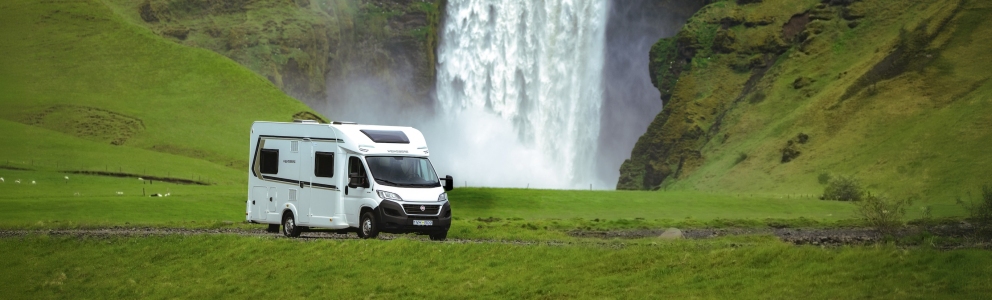
Iceland Camping Rules: A Guide for RV & Campers
Planning a camping trip in Iceland? Learn the essential Iceland camping rules for campervans, RVs, rooftop tents, and tents, including wild camping laws, campsite tips, costs, and safety advice.
Camping in Iceland is one of the best ways to experience the country’s dramatic landscapes, from black sand beaches and waterfalls to volcanic highlands and glacier lagoons. Whether you are traveling in a campervan, RV, rooftop tent vehicle, or traditional tent, understanding Iceland camping rules is essential for a safe and enjoyable trip.
Iceland’s nature is fragile, and strict regulations help preserve the environment while ensuring travelers can continue enjoying the country’s incredible outdoor experiences. In this guide, we cover everything you need to know about camping legally and responsibly in Iceland.
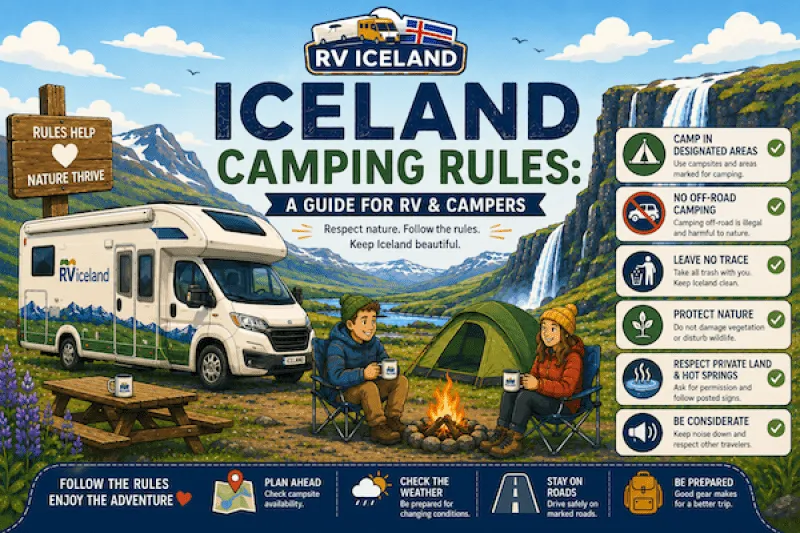
Is Wild Camping Allowed in Iceland?
In a word, no. Wild camping in Iceland has become far more restricted in recent years due to increasing tourism and environmental concerns. While Iceland once allowed more freedom for campers, current laws limit where visitors can stay overnight, especially when using motorized vehicles.
Today, most travelers are expected to stay at designated campsites unless they have explicit permission from the landowner. This helps protect Iceland’s delicate moss-covered landscapes and prevents overcrowding in popular areas.
Legal Requirement
For motorized vehicles such as campervans, motorhomes, and RVs, overnight parking outside registered campsites is generally prohibited. Travelers must stay at official campsites unless they receive direct permission from the landowner.
Tent camping is slightly more flexible in remote rural areas, but only when:
- There are no nearby campsites available
- The area is not cultivated land
- The group is small
- The stay is limited to one night
- The landowner has not prohibited camping
Camping is never allowed in protected natural reserves, national parks outside designated areas, or private property without permission.
Fines for Illegal Camping
Travelers who ignore Iceland camping regulations may face fines or be asked to leave by local authorities or landowners. Illegal camping with campervans or RVs is taken seriously, especially in popular tourist regions where environmental damage has become a concern.
Fines vary depending on the location and severity of the violation, but authorities may also issue penalties for littering, driving off-road, or improperly disposing of waste. Respecting the rules not only avoids fines but also helps preserve Iceland’s natural beauty for future visitors.

A Breakdown of Iceland Camping Rules
Iceland’s camping regulations exist primarily to protect the environment. The country’s volcanic soil and moss ecosystems are extremely sensitive and can take decades to recover from damage caused by vehicles or foot traffic.
The rules also help manage tourism, reduce overcrowding, and ensure campers have access to proper facilities such as toilets, waste disposal, and fresh water.
For RVs and Campervans
RVs and campervans must use designated campsites for overnight stays. Parking lots, roadside pullouts, and scenic viewpoints are not considered legal camping locations.
Drivers should also:
- Avoid off-road driving, which is illegal in Iceland
- Respect campsite quiet hours
- Dispose of grey and black water only at approved dump stations
- Be cautious of strong winds when parking or opening doors
Many campsites across Iceland are equipped specifically for campervans and larger motorhomes.
For Rooftop Tent Campers
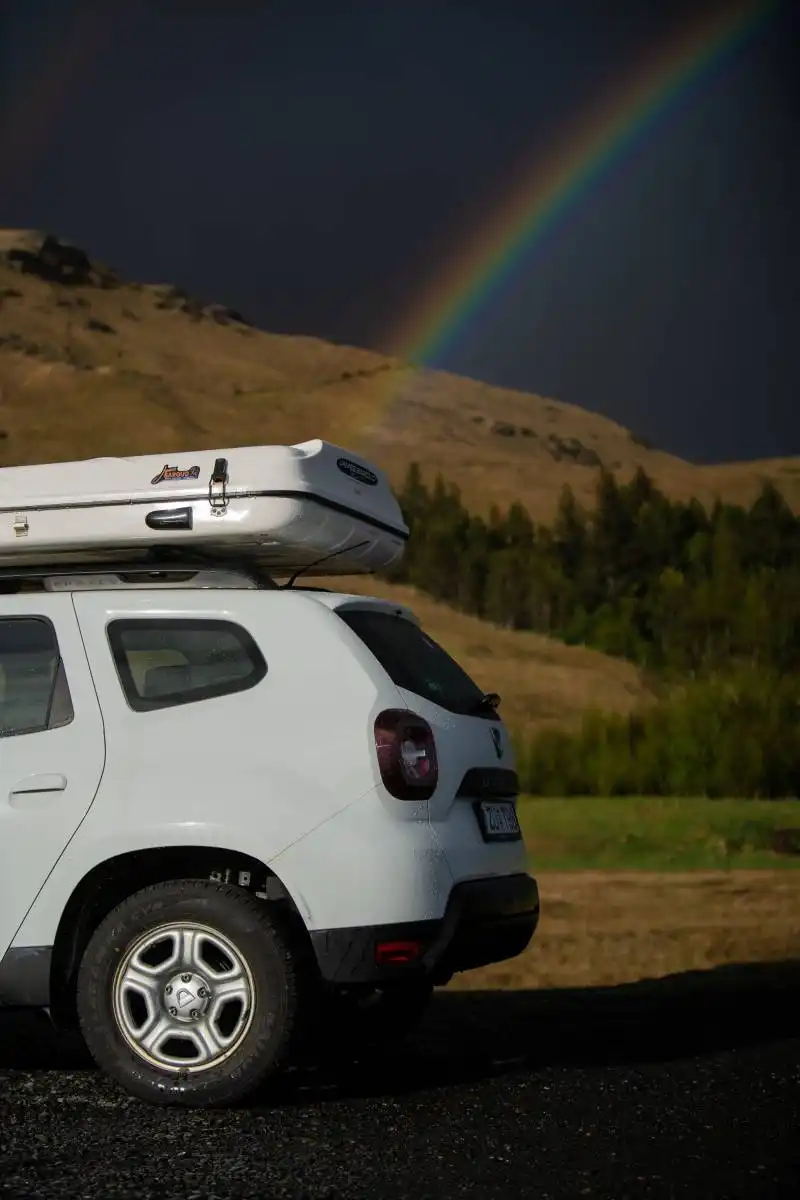
Travelers using rooftop tents must generally follow the same rules as campervan travelers because the vehicle itself is considered motorized camping accommodation.
Rooftop tent campers should stay in designated campsites unless explicit permission is granted by the landowner. This type of setup is especially popular for exploring Iceland’s Highlands because it combines mobility with easier setup compared to traditional tents.
For Tent Camping
Tent camping offers slightly more flexibility, particularly in rural areas where campsites are limited. However, campers should always prioritize official campsites whenever possible.
Tent campers should:
- Avoid camping on farmland or private property
- Never camp near roads or populated areas without permission
- Respect weather warnings
- Leave no trace behind
Because Icelandic weather changes quickly, choosing sheltered campsites is highly recommended.
Are There RV-Friendly Campsites in Iceland?
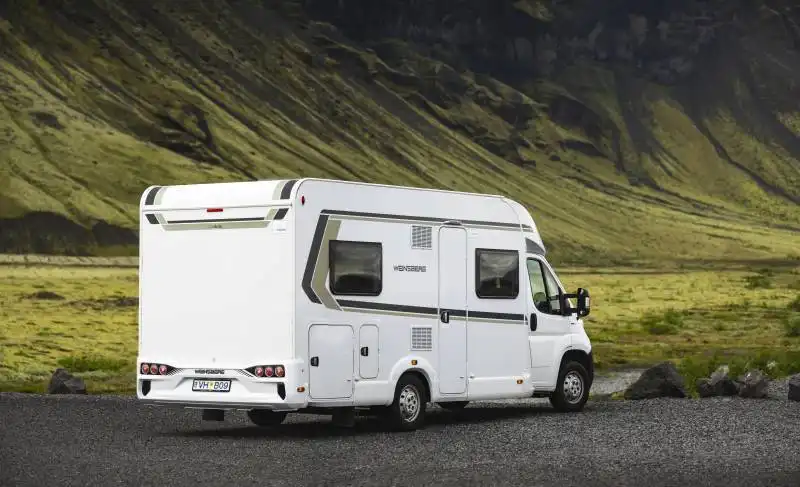
Yes, Iceland has many campsites designed specifically for RVs, campervans, and motorhomes. Most popular travel routes, including the Ring Road and Golden Circle, have well-equipped camping facilities available during the summer season.
Travelers planning an extended RV camping adventure should map out campsites in advance, especially when visiting remote regions.
Facilities for RVs and Large Campers
Many Icelandic campsites offer facilities such as:
- Toilets and showers
- Kitchen and dining areas
- Laundry machines
- Electricity hookups
- Waste disposal stations
- Wi-Fi access
Larger campsites near major attractions often accommodate big motorhomes and long RVs comfortably.
Waste Disposal
Proper waste disposal is an important part of responsible camping in Iceland.
Most RV-friendly campsites provide:
- Black water dump stations for toilet waste
- Grey water disposal points for sink and shower water
Travelers should never empty waste tanks into nature, roadside drains, or parking lots. Using designated dump stations protects Iceland’s water systems and fragile environment.
Electricity Hookups
Many campsites provide electrical hookups for campervans and RVs, although availability can vary depending on the campsite size and location. If you require electricity for heating, cooking, or charging devices, it is best to confirm availability before arrival. Some campsites charge an additional fee for electrical access.
Water Filling Stations
Fresh water stations are widely available at campsites throughout Iceland. Icelandic tap water is safe to drink and is known for its high quality. Travelers can usually refill water tanks at campsites, fuel stations, or service areas along major travel routes.
Pitch Size
Pitch sizes vary between campsites. Smaller campervans typically have no issues, but larger RVs and motorhomes should verify that enough parking space is available before arrival. During peak summer months, arriving early can help secure larger pitches at busy campsites.
Where to go Camping in Iceland
Iceland offers an incredible variety of camping experiences, from coastal campsites along the Ring Road to remote mountain camps deep in the Highlands.
The Ring Road
The Ring Road is Iceland’s most popular road trip route and features countless campsites along the way. Travelers can easily access waterfalls, glaciers, volcanic beaches, and charming fishing villages while staying at campsites with modern facilities.
Because the Ring Road is well-developed, it is ideal for first-time campervan or RV travelers in Iceland.
The Golden Circle
The Golden Circle is one of Iceland’s most accessible and popular camping regions. Travelers can easily combine campsites with famous attractions such as Þingvellir National Park, Gullfoss waterfall, and the Geysir geothermal area.
For more information about camping in the Golden Circle, planning ahead is highly recommended during the busy summer season.
National Parks Camping
Camping in Iceland’s national parks is only allowed in designated camping areas. Parks such as Vatnajökull National Park and Þingvellir National Park maintain strict environmental regulations to protect natural habitats.
Campers should always:
- Stay within marked areas
- Follow ranger instructions
- Avoid disturbing wildlife
- Respect fire restrictions
Booking ahead may be necessary during peak travel periods.
Camping in the Highlands
Camping in Iceland’s Highlands is one of the country’s most adventurous experiences, but it requires careful preparation. Most Highland roads are F-roads, which are rough mountain routes only accessible by 4x4 vehicles.
A 4x4 with a rooftop tent is a popular option because it combines off-road capability with convenient camping flexibility. Travelers should expect:
- River crossings
- Gravel roads
- Sudden weather changes
- Limited services and fuel stations
The Highlands are only accessible during summer, and road conditions should always be checked before departure.
Camping Costs in Iceland
Camping costs in Iceland vary depending on location, facilities, and season. On average, travelers can expect to pay:
- ISK 1,500–3,500 per adult per night
- Additional fees for electricity, showers, or laundry
- Higher rates at popular tourist destinations
For travelers visiting multiple campsites, the Iceland Camping Card may offer savings at participating locations. If you are unsure if the camping card is worth it, comparing your route and expected campsite usage can help determine whether it fits your travel plans.
Our Tips for Your Iceland Camping Trip
Planning ahead is one of the best ways to enjoy a smooth and memorable camping trip in Iceland. Iceland’s weather, road conditions, and camping availability can change quickly, especially outside major tourist areas.
Leave no Trace
Protecting Iceland’s environment is everyone’s responsibility. Campers should always:
- Take all trash with them
- Stay on marked paths
- Avoid damaging moss or vegetation
- Use designated toilets and waste stations
Even small environmental impacts can cause long-term damage in Iceland’s fragile ecosystems.
Weather and Winds
Icelandic weather changes rapidly, even during summer. Strong winds are one of the biggest hazards for campers and drivers. Always:
- Check weather forecasts daily
- Secure tents and camping equipment properly
- Open vehicle doors carefully in windy conditions
- Avoid driving during severe weather warnings
- Layered clothing and waterproof gear are essential year-round.
Essential Apps for Campers
Several apps can make camping in Iceland safer and more convenient:
- Parka for parking payments and campsite services
- SafeTravel for weather and road alerts
- 112 Iceland for emergency assistance
- Vedur for weather forecasts
- Road.is for road conditions
Downloading offline maps is also highly recommended for remote regions.
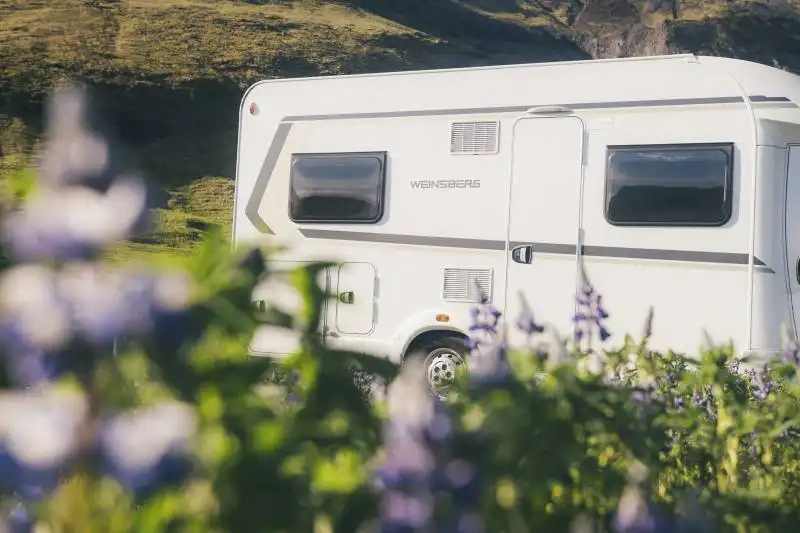
Ready for an Unforgettable Camping Trip in Iceland?
Camping in Iceland offers unmatched freedom to explore glaciers, volcanoes, waterfalls, and remote landscapes at your own pace. By following Iceland camping rules and respecting nature, you can enjoy a safe, legal, and unforgettable adventure.
Whether you choose a traditional tent, a rooftop tent, or an RV hire in Iceland, proper preparation and responsible travel will help you make the most of your Icelandic camping experience.
Frequently Asked Questions
Travelers often have questions about Iceland camping laws, campsite availability, and seasonal travel conditions.
No. Campervans, RVs, and motorized vehicles must stay at designated campsites unless they have direct landowner permission. Tent camping has limited flexibility in remote areas but is still restricted in protected and private locations.
During summer, booking ahead is recommended for popular regions such as the South Coast, Golden Circle, and Highlands. Smaller campsites may fill quickly during peak travel months.
Yes, but fewer campsites operate during winter. Travelers should carefully plan routes and confirm campsite availability in advance. Winter camping also requires proper heating equipment and preparation for snow, ice, and severe weather.